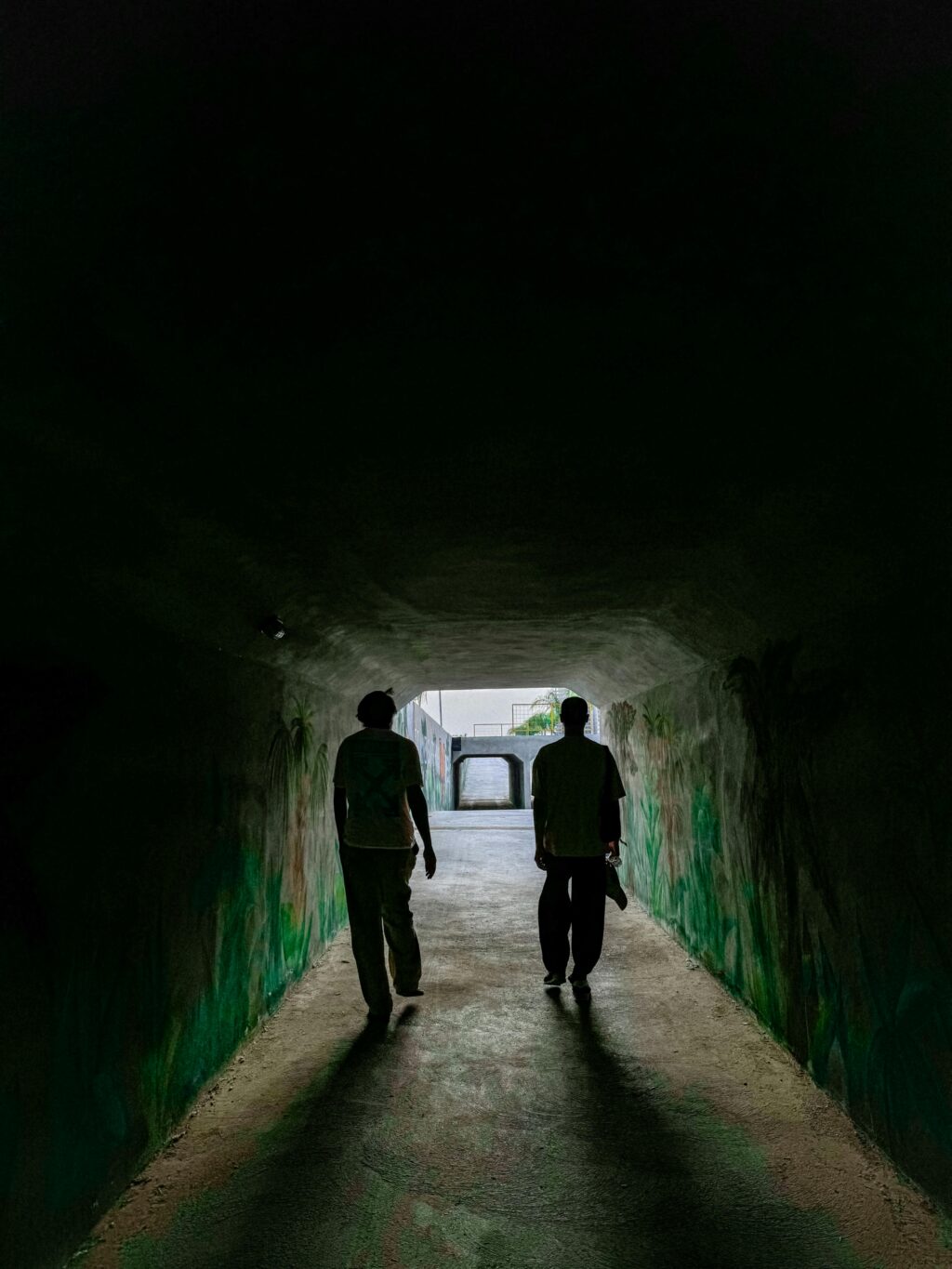
We all have that drawer. Maybe it’s in the bedroom, the kitchen, or your work desk. It’s the one filled with things you rarely touch but never throw away—old receipts, mismatched batteries, faded photos, a key you don’t remember the lock for.
At first glance, it’s just clutter. But if you pause and dig a little deeper, you’ll find that those objects are more than forgotten—they’re silent witnesses to your life. Each item holds a small, stubborn memory, waiting to be remembered.
Here’s a look into the secret life of the forgotten objects in your drawer—and why they might matter more than you think.
- Memory in Disguise: When Clutter Is a Time Capsule
What looks like junk is often a time machine in disguise.
That old movie ticket? It wasn’t just for the film—it was for the night you laughed too hard with someone you no longer talk to. That dried-out pen might have written love notes or resignation letters. That seashell? A silent whisper from a vacation you almost forgot you took.
Our drawers unknowingly become archives of the ordinary, filled with tiny relics of our past selves. We keep these things not because they’re useful, but because they hold meaning—fragments of emotion, milestones, and moods, pressed between forgotten paper and tangled wires.
When we pull them out, we momentarily pull our past selves back into focus. In a world that moves quickly, these little objects are proof that we lived, chose, failed, loved, and kept going.
They’re not useless—they’re souvenirs of being human.
- The Psychology of Keeping: Why We Hold On
Why do we hang on to things that no longer serve a function?
Psychologists call it the “endowment effect”—we tend to place higher value on things simply because we own them. But there’s more to it than just ownership. Often, what we’re really holding on to isn’t the object—it’s the emotion attached to it.
An expired ID card might symbolize freedom—your first job, your college years, a version of yourself you miss. A broken wristwatch may remind you of the person who gave it to you. Even a crumpled post-it with a joke scrawled on it might carry the weight of an old friendship.
Letting go of these things can feel like letting go of the person you were when you first touched them. And sometimes, we’re not ready to do that yet.
So we tuck them into drawers, not because we need them—but because we’re still deciding what they meant.
- Unsent Letters and Unfinished Stories
Many of our drawers contain not just objects, but unspoken thoughts.
An unsent letter. A notebook with the first three pages filled and the rest blank. A birthday card you bought but never gave. These items carry the weight of conversations we didn’t have, risks we didn’t take, and feelings we never quite knew how to express.
In some ways, they’re open tabs in the browser of our emotional life.
And yet, their quiet presence reminds us that we still care. We still wonder what could have been said. We still think about the people we meant to write to. There’s beauty in that—an acknowledgment that not everything in life gets tied up neatly.
These forgotten objects are unfinished stories, and maybe that’s okay. Life is rarely tidy. Not every emotion finds its sentence. Not every sentence finds its audience. But they’re still part of our story.
- What Happens When We Finally Let Go
Sometimes we dig through the drawer and decide it’s time. We toss the dead batteries, shred the old bills, recycle the broken sunglasses. And in that moment, something shifts—not just physically, but emotionally.
Letting go doesn’t mean erasing. It means accepting that the memory has done its work. The object has served its purpose. You don’t need the matchbox from that first date to remember how it felt. You carry that feeling inside you.
Decluttering doesn’t mean detaching from your past—it means making space for the present. It’s an act of emotional housekeeping, freeing yourself from the weight of old chapters so you can write new ones.
And maybe, just maybe, you’ll choose to keep one thing. The thing that still makes your heart ache a little—or smile. Not because it’s useful. But because it’s you.
Final Thoughts: A Drawer Full of Quiet Stories
The next time you open that messy drawer, don’t rush to slam it shut. Take a minute. Look. Pick something up and ask yourself where it came from, what it once meant, and whether it still means something now.
You might find:
A version of yourself you forgot.
A person you miss.
A dream that once felt urgent.
A memory that still stings—or still sings.
These aren’t just objects. They’re the quiet storytellers of your life. They remind you of your imperfections, your adventures, your heartbreaks, and your resilience. They are your emotional fingerprints—small, silent, and profoundly real.
So yes, your drawer is a mess. But it’s a beautiful mess. And sometimes, the best stories live in the places we almost never look.





This is one of the most comprehensive guides I’ve read on the topic. Well done!