
Digital marketing concept, Businessman using laptop with Ads dashboard digital marketing strategy analysis for branding. online advertisement, ad on website and social media. SEO. SMM.
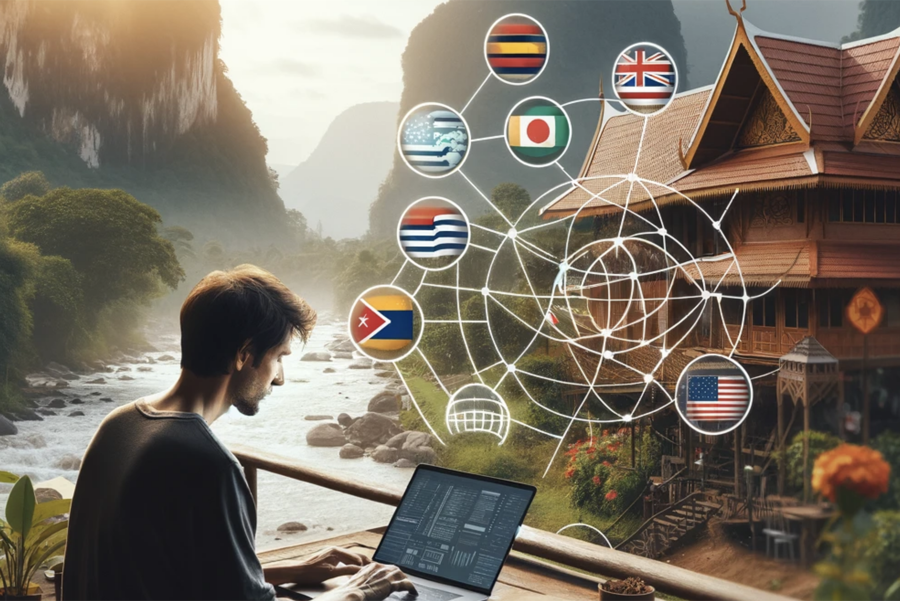
Table of Contents
- Introduction
- Understanding Digital Nomadism
- Historical Context: From Office Desks to Anywhere Offices
- Key Drivers Behind the Digital Nomad Movement
- Popular Destinations for Digital Nomads
- Economic Impact on Host Countries
- Benefits of Digital Nomadism for Workers
- Challenges and Realities of the Lifestyle
- The Role of Technology in Enabling Remote Work
- Future Trends in Digital Nomadism
- Conclusion
1. Introduction
In the last decade, remote work has transformed from a niche concept into a mainstream mode of employment. Among the most visible outcomes of this shift is the digital nomad lifestyle—a way of living that blends work and travel seamlessly. Digital nomads are not just tourists; they are professionals who use technology to perform their jobs from anywhere in the world. From Bali’s beachside cafés to Lisbon’s co-working hubs, this lifestyle is reshaping both the global workforce and travel industry.
2. Understanding Digital Nomadism
Digital nomadism refers to the practice of working remotely while traveling or living in different locations. These professionals rely on laptops, smartphones, and high-speed internet to complete tasks that traditionally required office presence. Unlike expatriates who relocate permanently, digital nomads often stay in a location for weeks or months before moving to their next destination.
3. Historical Context: From Office Desks to Anywhere Offices
While the concept of working away from a central office existed earlier in forms like telecommuting, the global adoption of broadband internet, cloud software, and video conferencing made it feasible on a larger scale. The COVID-19 pandemic in 2020 accelerated the shift, as millions experienced remote work firsthand. What was once a rare privilege became a proven operational model for companies worldwide.
4. Key Drivers Behind the Digital Nomad Movement
Several factors fuel the rise of digital nomadism:
- Technological Advancements: Tools like Slack, Zoom, and project management platforms enable real-time collaboration.
- Changing Work Culture: Companies increasingly value results over physical presence.
- Travel Accessibility: Budget airlines, flexible visas, and affordable accommodation options make mobility easier.
- Work-Life Balance Aspirations: Many seek to escape the traditional 9-to-5 grind in search of a more fulfilling lifestyle.
5. Popular Destinations for Digital Nomads
Digital nomads gravitate toward destinations offering affordable living, reliable internet, and vibrant communities. Popular hotspots include:
- Bali, Indonesia – Known for scenic beaches and co-working spaces.
- Chiang Mai, Thailand – Affordable cost of living with a large nomad network.
- Lisbon, Portugal – Europe’s tech-friendly hub with warm weather.
- Medellín, Colombia – Improved safety and thriving entrepreneurial scene.
- Tbilisi, Georgia – Visa-friendly and culturally rich.
6. Economic Impact on Host Countries
Digital nomads contribute to local economies by renting accommodations, eating out, and participating in leisure activities. Countries like Estonia, Barbados, and Costa Rica have even introduced special digital nomad visas to attract remote workers for longer stays, boosting tourism and economic diversity.
7. Benefits of Digital Nomadism for Workers
- Location Freedom: Ability to choose environments that inspire productivity.
- Cultural Exposure: Immersion in diverse traditions and perspectives.
- Cost Optimization: Living in regions with lower expenses while earning higher foreign income.
- Personal Growth: Building adaptability, networking skills, and self-reliance.
8. Challenges and Realities of the Lifestyle
While appealing, this lifestyle comes with challenges:
- Isolation: Frequent moves can make it hard to maintain deep relationships.
- Work-Life Balance: The line between leisure and work often blurs.
- Visa Restrictions: Some countries limit work-related stays without proper permits.
- Healthcare and Insurance: Managing medical needs abroad can be complex.
9. The Role of Technology in Enabling Remote Work
The digital nomad movement would not exist without modern tech infrastructure. Cloud storage, cybersecurity tools, and global payment platforms allow freelancers and remote employees to operate smoothly across borders. Moreover, advancements like Starlink satellite internet are expanding access to remote areas once considered unreachable.
10. Future Trends in Digital Nomadism
Experts predict that digital nomadism will continue to grow due to:
- Government Support: More countries are launching remote work visa programs.
- Hybrid Work Models: Companies offering partial location freedom will encourage mobility.
- Sustainability Efforts: Eco-conscious nomads seeking low-impact travel options.
- Metaverse Collaboration: Virtual reality tools may simulate office spaces for global teams.
11. Conclusion
The rise of digital nomadism is a testament to how work culture, technology, and lifestyle aspirations are converging. As more individuals embrace this flexible way of working, the world is witnessing a redefinition of what it means to have a “career” and a “home.” For many, the future of work will not be tied to a single desk or city—but will be as mobile as their Wi-Fi connection.




Sustainable living starts with small choices. Thanks for the encouragement.