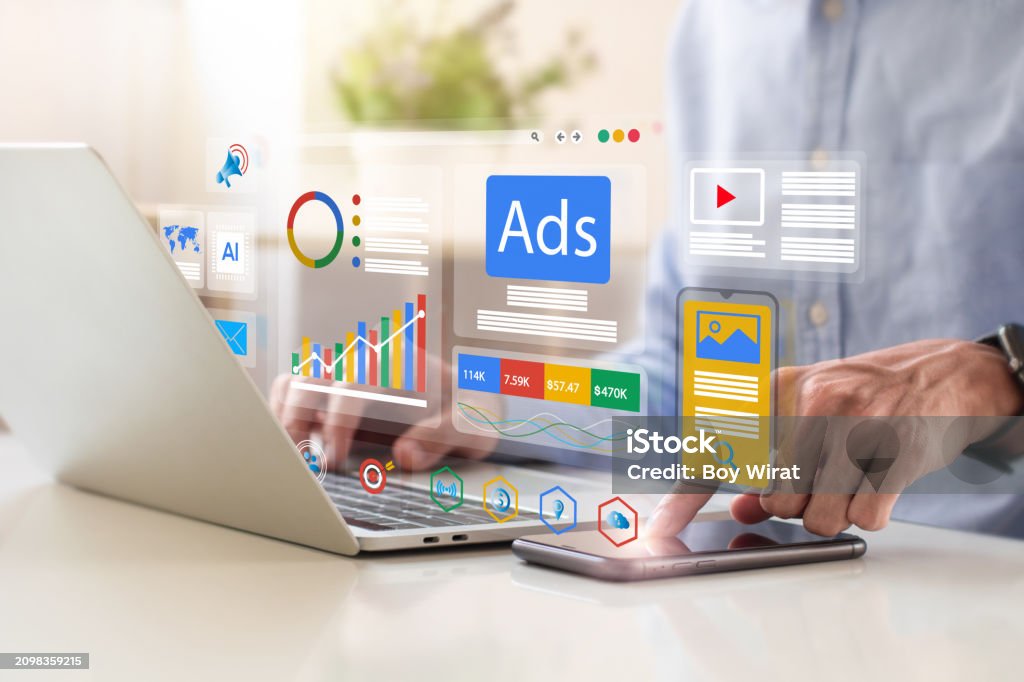
Digital marketing concept, Businessman using laptop with Ads dashboard digital marketing strategy analysis for branding. online advertisement, ad on website and social media. SEO. SMM.

‘Buy’Understanding the Emotions and Triggers That Drive Online Shopping Decisions
Introduction: The Invisible Push Behind Every “Add to Cart”
Have you ever opened an online store just to “browse” and ended up buying something you didn’t even plan for? You’re not alone — millions of people do it every day. The truth is, online shopping isn’t just about what we need; it’s about how we feel.
Behind every “Buy Now” button lies a fascinating mix of psychology, design, and emotional persuasion. Marketers and e-commerce brands know that to sell effectively, they must speak not just to the mind of a shopper, but to their heart, habits, and impulses.
In this blog, we’ll explore what actually drives people to make online purchases — from emotional triggers and trust signals to subtle design choices that make clicking “buy” feel almost irresistible.
1. The Emotional Side of Shopping: We Buy Feelings, Not Things
One of the biggest misconceptions about shopping is that people buy products to meet needs. In reality, most purchases are made to fulfill emotions.
For example:
- A new outfit makes you feel confident.
- A gadget makes you feel efficient and modern.
- A home decor item makes you feel comfortable or proud.
When brands understand these emotional motivators, they create marketing that connects deeply.
The Four Core Emotions That Drive Online Shopping
- Happiness – “I deserve this.”
- Fear – “What if I miss out?”
- Belonging – “People like me are buying this.”
- Trust – “This brand won’t let me down.”
Whether it’s a discount timer, influencer endorsement, or aesthetic website design, every element online is crafted to influence emotions — because that’s what leads to clicks.
2. The Power of Instant Gratification
Online shopping offers something physical stores rarely can — immediacy.
You see a product → click → it’s yours (even if delivery takes days). Psychologically, that act of clicking “buy” releases dopamine, the brain’s feel-good chemical associated with reward.
That’s why:
- Flash sales feel thrilling.
- “Only 2 left in stock” triggers urgency.
- Easy checkout and one-click payments reduce hesitation.
Marketers call this “the dopamine loop.” It’s why we keep browsing, buying, and checking our order status repeatedly. The faster the process, the stronger the sense of satisfaction.
Pro Tip for Businesses:
Simplify checkout and minimize steps between “interest” and “purchase.” Every extra click risks breaking the emotional high that drives buying decisions.
3. Trust Is the Currency of Online Shopping
No matter how persuasive your marketing is, if customers don’t trust your website — they won’t buy.
Online shoppers can’t touch, see, or test a product in real life, so they rely on psychological trust signals.
Key Trust Builders:
- Customer Reviews & Ratings: Social proof reassures buyers that others are happy.
- Secure Payment Options: HTTPS, PayPal, and known gateways build confidence.
- Return Policies: Risk-free shopping lowers fear of regret.
- Professional Design: A clean, well-organized site subconsciously communicates reliability.
A brand that appears transparent, safe, and human earns a buyer’s trust faster than one that relies only on discounts.
4. The Role of Scarcity and Urgency: Fear of Missing Out (FOMO)
Few psychological triggers are as powerful as scarcity.
When something feels limited, we instinctively want it more — it’s human nature. Online retailers know this, which is why you often see:
- “Only 3 left in stock!”
- “Offer ends in 2 hours!”
- “Join 1,000 people who already bought this.”
These phrases trigger FOMO — the Fear of Missing Out.
It creates a sense of immediate action, bypassing rational thinking. Instead of asking, “Do I really need this?” our brain says, “I can’t miss this deal!”
Scientific Explanation:
Scarcity activates the brain’s anterior cingulate cortex, which increases emotional arousal and decision speed. That’s why countdown timers and “limited stock” labels lead to impulsive buys.
5. The Influence of Social Proof: We Follow the Crowd
Humans are social creatures. We look to others for validation — especially when uncertain.
In online shopping, this behavior translates into social proof, which is why we trust:
- Product reviews
- Testimonials
- Star ratings
- Influencer recommendations
- “Trending” or “Most Popular” tags
Even subtle signals, like “5 people are viewing this product right now,” can trigger action.
Real-World Example:
When an influencer shows how they styled a saree or unboxed a skincare product, followers imagine themselves in that same emotional state — confident, admired, happy.
That’s why influencer marketing feels more personal than ads. It’s not just about influence; it’s about social belonging.
6. The Magic of Personalization
Ever noticed how online stores seem to know exactly what you like? That’s not coincidence — it’s data-driven psychology.
E-commerce sites track your clicks, searches, and behavior to show you personalized recommendations. And when you see something that aligns perfectly with your taste, your brain says, “This is meant for me.”
Psychological Effect:
Personalization makes customers feel seen and valued, strengthening emotional attachment.
Examples:
- Amazon’s “Recommended for You” carousel.
- Spotify’s “Discover Weekly.”
- Instagram’s targeted ads based on browsing history.
When marketing feels personal, resistance disappears. Instead of feeling sold to, people feel understood.
7. Visuals, Colors, and Design: The Silent Persuaders
Your brain processes visuals 60,000 times faster than text. That’s why an image, color, or layout can instantly affect buying decisions — often without you realizing it.
Color Psychology in Online Shopping:
- Red – Urgency, excitement, energy (used in clearance sales).
- Blue – Trust, security, calm (used by banks and tech brands).
- Green – Balance, growth, and eco-friendliness.
- Black – Luxury and sophistication.
Website Layout Matters Too
- Clean design → professionalism → trust.
- High-quality images → desirability.
- Easy navigation → comfort.
When a website looks pleasant, your brain subconsciously associates the product with that same sense of comfort and quality.
8. Pricing Psychology: Why ₹999 Feels Cheaper Than ₹1000
Yes, it’s only one rupee — but it feels like a big difference. That’s the magic of psychological pricing.
Our brains read numbers from left to right. So, when we see ₹999, we perceive it as closer to ₹900 than ₹1000.
Other Pricing Tricks That Work:
- Anchoring: Showing a higher price first makes the next one seem cheaper (e.g., “Was ₹1999, Now ₹999!”).
- Bundles: “Buy 2, Get 1 Free” feels like saving money even when we spend more.
- Free Shipping: The word “free” triggers instant satisfaction, even if product prices are slightly higher.
These subtle pricing tactics lower mental barriers and make purchases feel like smart decisions rather than impulsive ones.
9. The Comfort of Easy Returns and Support
Fear of making a mistake is a major reason people abandon their carts. That’s why a reassuring return policy is one of the strongest psychological triggers in e-commerce.
When a site says, “Easy returns within 7 days — no questions asked,” it sends a powerful subconscious message:
“You’re safe here. You can change your mind.”
That safety net reduces hesitation and encourages first-time buyers.
Similarly, visible customer support options — like live chat, helplines, or WhatsApp integration — build human connection in an otherwise digital experience.
10. Post-Purchase Psychology: The Dopamine Doesn’t End at Checkout
The emotional journey continues after buying.
Order confirmations, beautiful packaging, and thank-you emails all reinforce a positive impression, creating post-purchase satisfaction.
That’s why unboxing videos trend so much — they prolong the excitement. A good post-purchase experience increases the chance of repeat buying and referrals.
Smart Brands Use:
- Handwritten thank-you notes.
- Surprise discount codes for next purchase.
- Polite follow-up messages asking for feedback.
It’s not manipulation — it’s nurturing a long-term relationship built on trust and joy.
11. The Dark Side: Impulse Buying and Emotional Traps
While all these strategies help businesses grow, they can also lead to impulse spending.
Flash sales, endless notifications, and fear-driven ads can cause shoppers to buy things they don’t need. That’s why it’s important to shop mindfully — understanding that every click is influenced by powerful psychological cues.
Awareness is the first step toward conscious consumerism.
Conclusion: The Human Mind — The Ultimate Marketplace
Every time you shop online, you’re not just buying a product; you’re participating in a carefully crafted psychological experience.
From trust signals and scarcity to personalization and color — every tiny detail is designed to make that “Buy Now” button irresistible.
For brands, understanding these triggers isn’t manipulation — it’s empathy. It’s about learning what people value, fear, and desire, and offering products that truly meet those emotions.
For shoppers, it’s about becoming aware — pausing for a moment before clicking “buy” and asking, “Do I want this, or do I feel like I need it because of clever marketing?”
The digital world runs on emotions, not logic. And the brands that succeed are those that don’t just sell products — they sell feelings.


Building a community around your brand is the best marketing strategy. Love that you mentioned that.
Data-driven decisions are the only way to scale. Thanks for highlighting the importance of analytics.
Data-driven decisions are the only way to scale. Thanks for highlighting the importance of analytics.