Table of Contents
- Introduction
- Understanding Sustainable Fashion
- Why Ethnic Wear Needs a Sustainable Approach
- Fabrics that Define Eco-Friendly Ethnic Wear
- Role of Artisans and Handloom in Sustainability
- The Rise of Conscious Consumers in India and Abroad
- Styling Tips for Sustainable Ethnic Wear
- Challenges in Promoting Sustainable Ethnic Wear
- Future of Sustainability in Traditional Clothing
- Conclusion
1. Introduction
In a world where fashion changes rapidly, ethnic wear has always held a timeless charm. From elegant sarees to intricate lehengas and graceful kurtas, traditional clothing connects people with their cultural roots. However, the textile industry also contributes significantly to pollution and waste. As consumers are becoming more aware of their environmental footprint, sustainable ethnic wear is emerging as a movement that blends heritage with eco-conscious practices.
2. Understanding Sustainable Fashion
Sustainable fashion is more than just a buzzword—it is a commitment to reduce waste, lower carbon footprints, and promote ethical production. It emphasizes:
- Using eco-friendly fabrics
- Supporting local artisans
- Encouraging recycling and upcycling
- Promoting slow fashion instead of fast-changing trends
When these principles are applied to ethnic wear, they create clothing that respects both cultural identity and environmental balance.
3. Why Ethnic Wear Needs a Sustainable Approach
Ethnic wear often involves heavy fabrics, embroidery, and dyeing processes, many of which can harm the environment if done with synthetic chemicals. For instance:
- Chemical dyes pollute water bodies.
- Synthetic fabrics take years to decompose.
- Mass-produced ethnic outfits often exploit labor.
Shifting to sustainable practices ensures that traditional clothing retains its grandeur without compromising the planet’s health.
4. Fabrics that Define Eco-Friendly Ethnic Wear
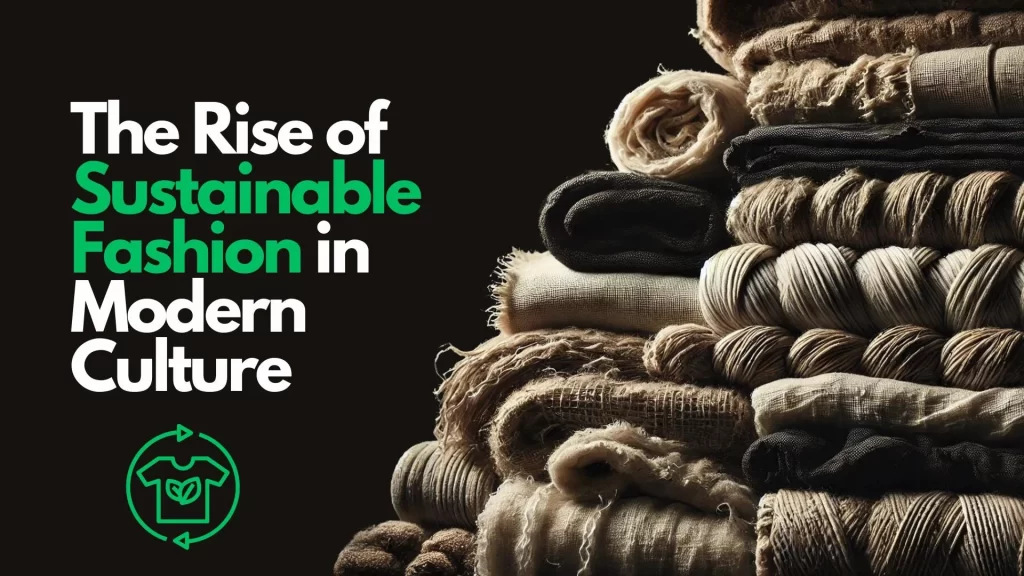
Choosing the right fabric is the backbone of sustainability. Some of the best options include:
- Organic Cotton – Soft, breathable, and grown without harmful pesticides.
- Khadi – Handspun fabric that symbolizes self-reliance and eco-friendliness.
- Bamboo Silk – A cruelty-free alternative to traditional silk.
- Linen – Durable, biodegradable, and perfect for ethnic kurtas and sarees.
- Handloom Weaves – Promote zero waste and preserve cultural heritage.
By opting for these fabrics, designers and consumers both contribute to reducing the fashion industry’s environmental burden.
5. Role of Artisans and Handloom in Sustainability
India’s ethnic wear heritage thrives on the craftsmanship of skilled artisans. Handloom sarees, block-printed dupattas, and hand-embroidered kurtas are not only exquisite but also sustainable. Supporting artisans means:
- Preserving centuries-old techniques.
- Generating livelihood in rural areas.
- Reducing dependency on machine-driven, mass-produced clothing.
When consumers choose handmade ethnic wear, they contribute directly to sustaining both the environment and local communities.
6. The Rise of Conscious Consumers in India and Abroad
The demand for sustainable ethnic wear is not limited to India. Non-resident Indians (NRIs) and global fashion enthusiasts are embracing eco-friendly traditional outfits for weddings, festivals, and cultural events. Conscious buyers are asking questions like:
- Where was this fabric sourced from?
- Was it dyed naturally?
- Did the artisans receive fair wages?
This shift in mindset is creating a ripple effect, motivating brands to adopt transparent and ethical practices.
7. Styling Tips for Sustainable Ethnic Wear
Sustainability does not mean compromising on style. Here are some creative ways to make ethnic wear chic and eco-conscious:
- Mix and Match: Pair a handloom dupatta with a plain organic cotton kurta for a fresh look.
- Upcycle Old Sarees: Convert vintage sarees into lehengas, gowns, or even festive jackets.
- Minimal Embroidery: Choose subtle designs that use natural threads instead of plastic-based sequins.
- Timeless Colors: Invest in neutral and earthy tones that remain stylish across seasons.
- Repeat with Pride: Re-wear outfits with different accessories to promote the culture of repeating rather than discarding.
8. Challenges in Promoting Sustainable Ethnic Wear
While the movement is growing, several challenges remain:
- High Cost: Organic fabrics and handloom products are often more expensive.
- Limited Awareness: Many consumers are still unaware of the environmental impact of fast fashion.
- Competition with Fast Fashion Brands: Affordable synthetic ethnic wear often dominates the market.
- Lack of Accessibility: Sustainable ethnic brands are not available in every city or town.
Addressing these issues requires joint efforts from designers, policymakers, and consumers.
9. Future of Sustainability in Traditional Clothing
The future of sustainable ethnic wear looks promising. With technology, we can expect:
- Eco-friendly dyeing techniques that use less water.
- Biodegradable fabrics made from innovative sources like banana fibers.
- Digital platforms to connect artisans directly with global consumers.
- Government initiatives promoting handloom and organic textiles.
If this momentum continues, sustainable ethnic wear will not just be a niche trend but a mainstream movement.
10. Conclusion
Sustainable ethnic wear beautifully demonstrates that fashion and responsibility can go hand in hand. By choosing eco-friendly fabrics, supporting artisans, and embracing timeless styles, individuals can celebrate culture without harming the environment. Though challenges exist, the rise of conscious consumers and innovative practices promises a bright future.
Ethnic wear has always been about tradition, elegance, and identity. By making it sustainable, we ensure that these values are carried forward responsibly for future generations.



Skincare routines don’t have to be complicated to be effective. Love the simplicity of this approach.
Sun protection is the best anti-aging product! Glad you emphasized that.