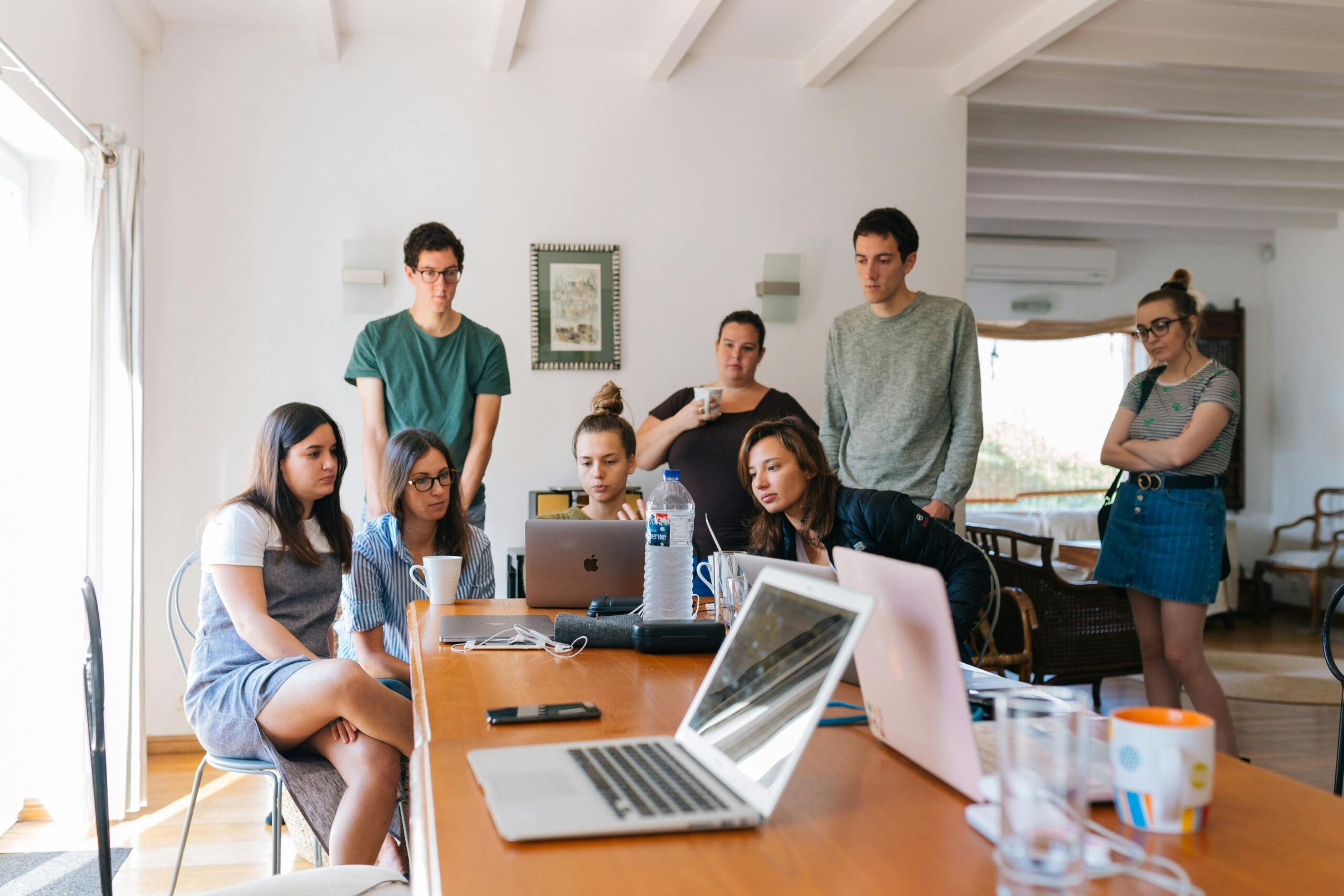
When I started working remotely, it felt a bit like an experiment. The idea of building a startup without a physical office was both exciting and terrifying. No desks. No daily meetings in conference rooms. No awkward small talk in break rooms. Just a laptop, an internet connection, and a bunch of people scattered across time zones, somehow trying to build something real together.
At first, it was messy. Time zones clashed. Messages got missed. People were unclear about responsibilities. There were days when silence made me wonder if anything was actually moving forward. But slowly, we began to figure things out. What started as a loose setup of freelancers and part-time help turned into something more structured more like a real team, just… remote.
What surprised me the most was how culture didn’t disappear. It just looked different. Instead of bonding over coffee breaks, we bonded through little messages, emojis, and GIFs. We found inside jokes in our Slack channels. We celebrated small wins with screenshots and virtual high-fives. We checked in not just about work, but about life too. Birthdays, random travel stories, even what someone was cooking for dinner those small touches added warmth to the cold screen.
In a remote-first setup, you have to be intentional. Things don’t happen by accident like they might in a physical space. You have to make space for connection, for communication, for clarity. I remember early on we didn’t set any real expectations around availability or response times. It caused confusion. Some people worked in bursts at night, others preferred early mornings, and it created this strange silence where no one knew when to expect anything. That’s when we introduced async communication as the default. If something was urgent, say so. If it wasn’t, let people respond when they could.
We started using a few simple tools to keep things aligned. Not fancy ones just stuff that helped everyone know what was going on and where we were heading. One tool helped us track tasks and projects in a visual way. Another was just for communication think group chats and threads. One handled documentation, so we could store things and avoid repeating the same questions every week. Nothing groundbreaking, but together they became our virtual office.
The big shift came when we fully embraced being remote-first, not just remote-friendly. That mindset changed everything. We stopped trying to replicate the office online and started designing the company around flexibility, trust, and output. No more Zoom calls just for the sake of it. No more pressure to look “available.” People had the freedom to work when and how they worked best as long as the work got done. And it did. In fact, we started getting more done, not less.
Growth looked different too. We didn’t need to spend money on office rent. That budget went into better tools, content, and customer experience. When we hired, we weren’t limited by location. We could find the right person, no matter where they lived. That opened up a pool of talent we would’ve never found otherwise. It also taught us to be better at writing things down. Clear documentation became our best friend. Everything from onboarding to product decisions had to be written clearly, because we couldn’t rely on in-person explanations.
As we grew, the challenge became how to keep everyone connected. It’s easy for remote teams to drift into silos. So we started doing small rituals. Weekly updates where everyone shared what they worked on and what they learned. Casual Friday calls just to chat about non-work stuff. Monthly “show and tell” sessions where someone would share something cool they were working on even if it wasn’t related to the startup.
Not everything worked, of course. We tried virtual coworking, where people would sit on calls just to mimic working side by side that didn’t last. We tried virtual game nights some people loved it, others skipped. But the point wasn’t to force anything. It was to create space, and let people show up how they wanted. That kind of respect builds a different kind of loyalty. People felt trusted. And trust became the foundation of our culture.
One unexpected benefit of being remote-first was how much it made us focus. In a physical office, it’s easy to fill time with meetings and busywork. But when you’re remote, and especially when you’re asynchronous, it forces you to get clear on what really matters. Every feature, every marketing campaign, every partnership we had to be more intentional. And in that process, we learned to move faster by doing less.
I’ve had moments where I missed the energy of a physical space. The shared laughter, the body language, the unspoken momentum of people working together in the same room. But then I remember the freedom we’ve built. Team members working from beaches, forests, kitchen counters, tiny apartments, shared spaces all living their lives while building something meaningful. It’s not just about work anymore; it’s about life and work coexisting in a healthier way.
Now, in 2025, remote-first isn’t rare. It’s normal. More people are choosing this path not because they have to, but because they want to. They want autonomy. They want flexibility. They want to work with great people without relocating or sacrificing lifestyle. And companies that understand this are winning.
We still face challenges. Internet outages. Miscommunications. Time zone puzzles. But we’ve learned to laugh about them, fix them, and move on. What matters most is that we’re aligned not just in goals, but in how we treat each other. Respect, trust, and clear expectations. That’s our culture, even without walls or desks.
So if you’re thinking of building something remote-first, don’t overthink it. Start simple. Set clear expectations. Communicate openly. Write things down. Trust people. And give yourself time to figure it out. It won’t be perfect but it can absolutely work.
Remote-first isn’t just a trend anymore. It’s a way of building that puts people first no matter where they are.



Data-driven decisions are the only way to scale. Thanks for highlighting the importance of analytics.
Digital marketing can feel overwhelming, but breaking it down into these pillars makes it manageable.
Digital marketing can feel overwhelming, but breaking it down into these pillars makes it manageable.