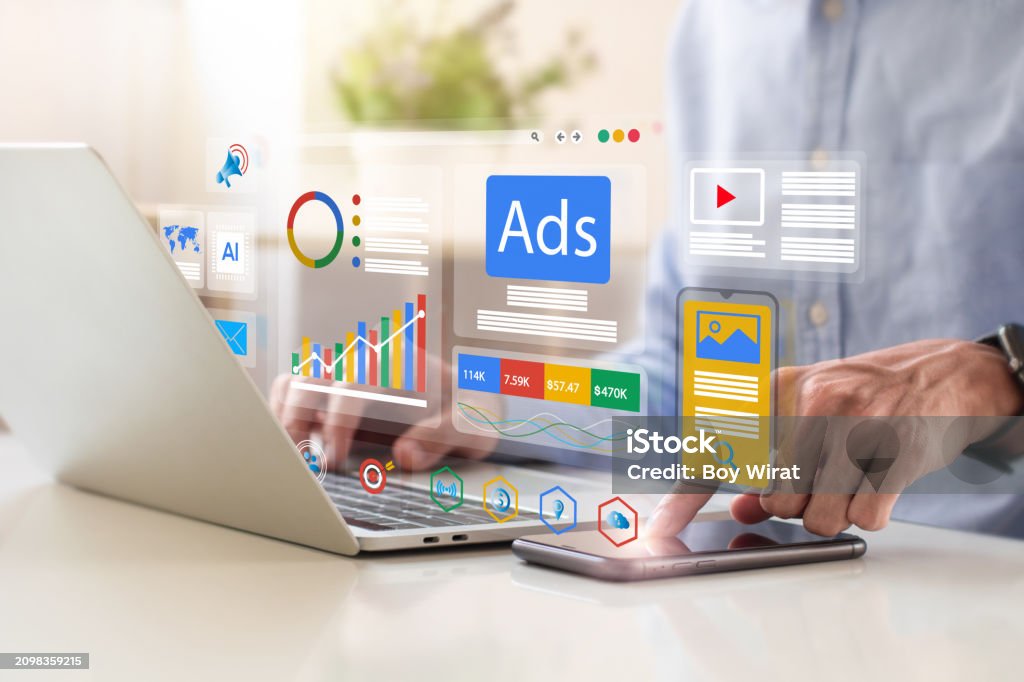
Digital marketing concept, Businessman using laptop with Ads dashboard digital marketing strategy analysis for branding. online advertisement, ad on website and social media. SEO. SMM.
Introduction
Influencer marketing has grown from a niche strategy to one of the most powerful pillars of digital marketing. What started as celebrities endorsing products on TV has transformed into micro and nano-influencers building authentic connections with their audience on Instagram, YouTube, TikTok, and LinkedIn.
By 2025, influencer marketing is no longer just a “trend” — it’s an essential growth strategy. According to industry reports, the global influencer marketing industry is set to surpass $30 billion by 2025, with brands of all sizes investing in creators to build trust, boost awareness, and drive sales.
In this article, we’ll explore what influencer marketing is, why it works, strategies for 2025, the role of AI, and how businesses can maximize ROI from influencer partnerships.
1. What is Influencer Marketing?
Influencer marketing is a strategy where brands collaborate with individuals who have an engaged audience (influencers) to promote products, services, or campaigns. These influencers can be:
- Mega Influencers (1M+ followers) – Celebrities, global personalities.
- Macro Influencers (100K–1M followers) – Well-known creators in specific industries.
- Micro Influencers (10K–100K followers) – Niche creators with strong engagement.
- Nano Influencers (1K–10K followers) – Everyday users with hyper-local, authentic reach.
The core principle: audiences trust people more than ads.
2. Why Influencer Marketing Works in 2025
- Trust & Authenticity: People trust recommendations from influencers more than from brands directly.
- High Engagement Rates: Micro and nano-influencers often outperform larger creators in terms of engagement.
- Targeted Reach: Influencers cater to niche audiences, making campaigns more precise.
- Content Creation: Collaborations generate high-quality UGC (user-generated content) for brands.
- Cost-Effective: Compared to traditional ads, influencer marketing often delivers higher ROI.
3. Types of Influencer Marketing Campaigns
- Sponsored Posts – Brand pays influencer to post product-related content.
- Product Reviews – Influencers review or unbox products.
- Giveaways & Contests – Drive engagement and reach.
- Affiliate Partnerships – Influencers earn commission per sale via unique codes/links.
- Takeovers – Influencer controls a brand’s social media for a day.
- Live Sessions/Webinars – Real-time engagement through Q&As, demos, or launches.
- Brand Ambassadorships – Long-term partnerships for sustained trust-building.
4. The Role of AI in Influencer Marketing
Artificial Intelligence has changed how influencer marketing operates:
- AI-Powered Search Tools – Identify influencers based on engagement rate, audience demographics, sentiment analysis.
- Fraud Detection – AI helps spot fake followers or engagement.
- Performance Prediction – Machine learning predicts campaign ROI before launch.
- Automated Contracts & Payments – Faster, transparent collaborations.
- Personalized Campaigns – AI tailors campaigns to audience behavior.
5. Platforms Driving Influencer Marketing in 2025
- Instagram – Still dominant for lifestyle, fashion, beauty, food.
- TikTok – Short-form video + viral trends.
- YouTube – Long-form reviews, tutorials, vlogs.
- LinkedIn – Thought leadership, B2B influencer campaigns.
- Twitch & Gaming Platforms – Livestream influencer partnerships.
- Podcasts – Audio influencers gaining credibility.
6. Influencer Marketing Strategy for 2025
Step 1: Define Campaign Goals
- Awareness (reach, impressions)
- Engagement (likes, shares, comments)
- Conversions (sales, sign-ups)
- Content generation (reusable UGC)
Step 2: Identify the Right Influencers
- Match values and audience with your brand.
- Check engagement rate, not just followers.
- Verify authenticity (avoid bots/fake followers).
Step 3: Decide on Collaboration Type
- Paid promotion, gifting products, affiliate deals, or long-term contracts.
Step 4: Budgeting
- Nano: Low-cost, high engagement.
- Micro: Affordable, niche reach.
- Macro & Mega: Expensive but wide exposure.
Step 5: Content Guidelines
- Give creative freedom but align with brand values.
- Authentic storytelling > scripted ads.
Step 6: Track KPIs
- Engagement rate, impressions, reach, click-through, conversions.
- Use UTM links, affiliate codes, or platform analytics.
7. Benefits of Influencer Marketing
- Builds Credibility: People value peer-like recommendations.
- Drives Faster Conversions: Trusted voice → higher sales.
- Boosts SEO: Influencer backlinks improve domain authority.
- Generates Reusable Content: Brands can repurpose influencer content.
- Strengthens Community: Long-term ambassador programs create loyalty.
8. Common Mistakes to Avoid
- Focusing only on follower count (vanity metrics).
- Not defining clear KPIs.
- Over-controlling influencers (kills authenticity).
- One-off campaigns instead of building relationships.
- Ignoring compliance (FTC guidelines for #ad, #sponsored).
9. Case Studies (Quick Examples)
- Daniel Wellington: Built a $200M+ brand through influencer wristwatch promotions.
- Gymshark: Leveraged fitness influencers to grow into a billion-dollar company.
- Local Cafés & Boutiques: Using nano-influencers to attract nearby customers.
These examples prove that both big and small businesses can win with influencer marketing.
10. The Future of Influencer Marketing
- Rise of Virtual Influencers: AI-generated characters like Lil Miquela are gaining traction.
- Performance-Based Deals: More affiliate/cost-per-sale partnerships.
- Decentralized Platforms: Blockchain ensuring transparency in influencer payments.
- Niche Growth: More micro and nano-influencers dominating specific communities.
- Interactive Content: AR filters, VR collabs, shoppable livestreams.
Conclusion
In 2025, influencer marketing is not just about reach — it’s about trust, relevance, and authenticity. Brands that build long-term relationships with the right influencers will enjoy higher ROI, stronger engagement, and sustainable growth.
Whether you’re a startup, small business, or global enterprise, influencer marketing offers an opportunity to connect with audiences in ways traditional advertising cannot. With AI tools, performance tracking, and smart strategies, it’s easier than ever to create campaigns that resonate and convert.


Digital marketing can feel overwhelming, but breaking it down into these pillars makes it manageable.
Building a community around your brand is the best marketing strategy. Love that you mentioned that.