Table of Contents
- Introduction
- Understanding Sustainable Fashion
- The Connection Between Beauty and Sustainability
- Materials Defining Sustainable Beauty
- Design Aesthetics in Sustainable Fashion
- Cultural and Ethical Influences
- Technological Innovations Enhancing Aesthetic Appeal
- Consumer Perceptions and Market Trends
- Challenges in Balancing Beauty and Sustainability
- Future Outlook for Sustainable Fashion
- Conclusion
1. Introduction
Sustainable fashion has moved beyond being a niche concept into a powerful movement shaping the global apparel industry. While early perceptions linked sustainability solely to ethics and environmental care, modern trends show that it can be equally synonymous with beauty, creativity, and luxury. Today’s sustainable fashion does not sacrifice style for ethics—it blends the two, creating products that are visually captivating while being environmentally responsible. This blog explores the intricate relationship between sustainability and beauty in fashion, examining how designers, brands, and consumers perceive and shape this connection.
2. Understanding Sustainable Fashion
Sustainable fashion refers to clothing, accessories, and footwear designed, produced, and consumed in ways that consider environmental protection, fair labor, and economic viability. It emphasizes resource efficiency, minimal waste, and reduced environmental impact throughout the product life cycle—from material sourcing to disposal. While the main goals include reducing pollution and promoting ethical production, the modern definition also includes aesthetic value, proving that sustainability can be stylish, innovative, and desirable.
3. The Connection Between Beauty and Sustainability
Beauty in fashion is traditionally associated with elegance, design harmony, and visual appeal. Sustainable fashion adds a deeper dimension by linking beauty with values—ethical sourcing, fair treatment of workers, and reduced ecological harm. A garment becomes beautiful not only for its appearance but also for the story it tells about how it was made. This duality of aesthetic and moral beauty has become a defining feature of modern sustainable fashion, attracting consumers who want their style choices to reflect their personal beliefs.
4. Materials Defining Sustainable Beauty
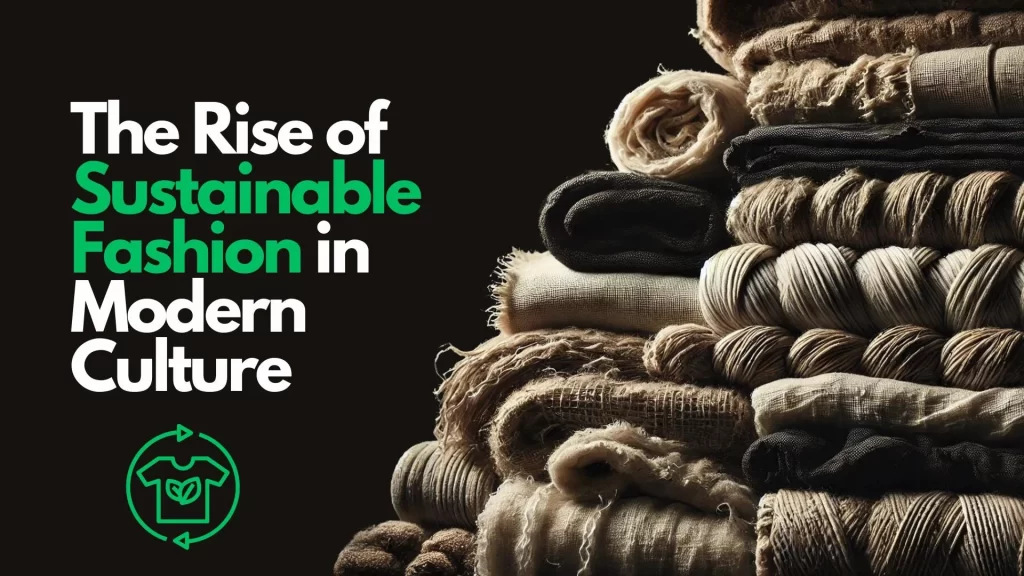
Materials are at the heart of sustainable beauty. Designers are increasingly using fabrics that have both aesthetic appeal and eco-friendly credentials. Some notable examples include:
- Organic Cotton – Free from harmful pesticides, offering a soft texture and natural look.
- Hemp – Durable, breathable, and naturally resistant to pests, with a unique raw beauty.
- Tencel/Lyocell – Smooth, silk-like fabric derived from sustainably sourced wood pulp.
- Recycled Polyester – Made from repurposed plastic bottles, balancing performance with environmental care.
- Natural Dyes – Extracted from plants, minerals, or insects, adding unique color variations that enhance beauty.
The tactile qualities, drape, and colors of these materials contribute significantly to the overall aesthetic of sustainable fashion.
5. Design Aesthetics in Sustainable Fashion
Sustainable fashion designers are proving that ethics and aesthetics can co-exist seamlessly. Key elements include:
- Timeless Styles – Instead of chasing fast fashion trends, sustainable brands focus on designs that remain attractive for years.
- Minimalist Beauty – Clean lines and subtle detailing that emphasize craftsmanship over excess decoration.
- Innovative Textures – Use of handwoven fabrics, patchwork, and upcycled materials for a distinctive visual identity.
- Cultural Integration – Incorporating traditional craftsmanship and artisanal techniques to give garments cultural depth.
The result is a form of beauty that is understated yet impactful, often standing out in a market dominated by mass-produced designs.
6. Cultural and Ethical Influences
Cultural heritage plays a significant role in sustainable beauty. Many brands work with local artisans, preserving traditional weaving, embroidery, and dyeing techniques. This not only promotes diversity in design but also sustains communities economically. Ethical production—fair wages, safe working conditions, and respect for workers’ rights—adds another layer of beauty to fashion, giving consumers pride in wearing pieces that align with their moral values.
7. Technological Innovations Enhancing Aesthetic Appeal
Technology is bridging the gap between sustainability and visual appeal:
- 3D Printing – Reducing material waste while allowing intricate, customized designs.
- Digital Fabric Printing – Enables vibrant patterns with minimal water and chemical use.
- AI-Assisted Design – Predicting trends and reducing overproduction, ensuring only beautiful, in-demand pieces are made.
- Fabric Blends – Combining natural and recycled fibers for improved durability and aesthetics.
Such innovations ensure sustainable garments remain competitive with fast fashion in terms of design appeal.
8. Consumer Perceptions and Market Trends
Modern consumers are increasingly aware of the environmental impact of their purchases. Many are drawn to sustainable fashion because it represents authenticity, quality, and ethical responsibility. Aesthetic beauty remains a major decision factor—buyers want garments that are both sustainable and visually appealing. This has led to the rise of brands that market their products as “eco-luxury,” combining high-end design with sustainable principles.
Market reports show that younger consumers, particularly Millennials and Gen Z, prioritize both style and ethics, making beauty in sustainable fashion a powerful selling point.
9. Challenges in Balancing Beauty and Sustainability
Despite the progress, challenges remain:
- Higher Costs – Ethical materials and labor often increase production costs, making products less accessible.
- Limited Material Options – Some sustainable fabrics may lack the same sheen, stretch, or durability as synthetic alternatives.
- Misconceptions – Consumers sometimes believe sustainable clothing lacks style or variety.
- Scalability – Achieving mass-market appeal while maintaining sustainability standards is a constant struggle.
Addressing these challenges requires innovation in materials, production methods, and design processes.
10. Future Outlook for Sustainable Fashion
The future points towards a stronger integration of beauty and sustainability. As technology advances, sustainable fabrics will rival or surpass conventional ones in terms of appearance and performance. More brands are expected to adopt circular economy principles, where products are designed for reuse and recycling, reducing waste while maintaining aesthetic appeal. Additionally, education campaigns and transparent branding will help consumers appreciate the beauty of sustainability, encouraging more responsible purchasing habits.
11. Conclusion
Sustainable fashion is redefining beauty in the apparel industry. It demonstrates that style does not have to come at the cost of the environment or human welfare. From innovative materials and timeless design to cultural richness and technological advancements, beauty in sustainable fashion is multi-dimensional. As consumer awareness grows, the balance between aesthetics and ethics will become the new standard—proving that the most beautiful garments are those that respect both the planet and the people who create them.



This is one of the most comprehensive guides I’ve read on the topic. Well done!
Thank you for sharing this! Extremely informative and well-written.
Very well articulated. It cuts through the noise and gets straight to the point.