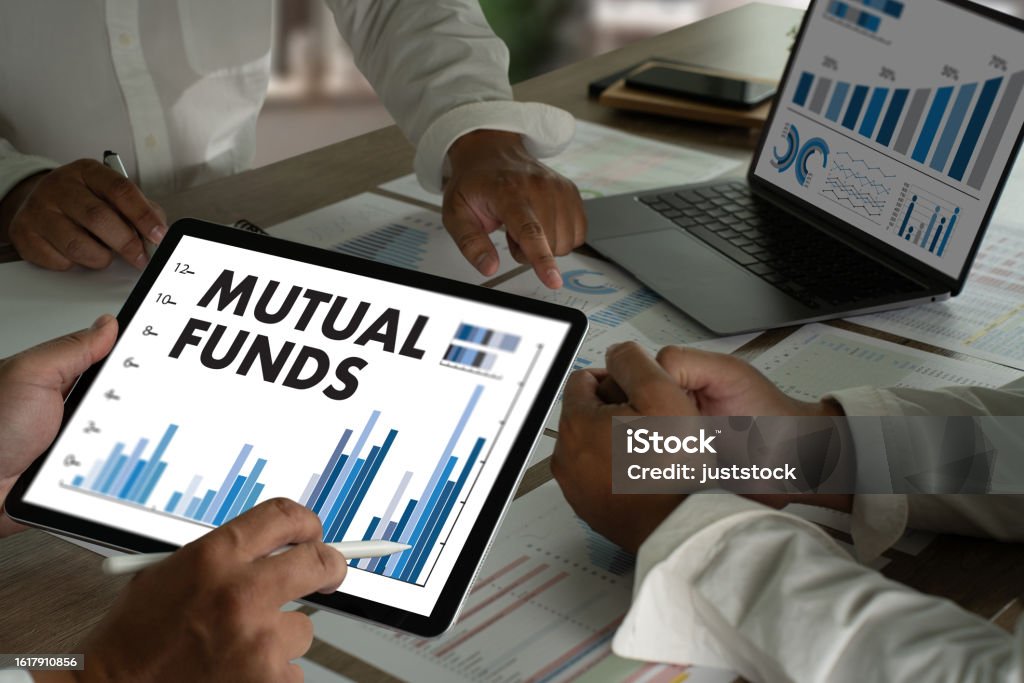
MUTUAL FUNDS business stock profit growth investment money income mutual banking asset economy interest mutual fund coins money saving

Table of Contents
- Introduction
- Why Budgeting Is Important
- Understand Your Income and Expenses
- Track Your Spending
- Set Realistic Financial Goals
- Create a Monthly Budget Plan
- Use the 50/30/20 Rule
- Cut Unnecessary Expenses
- Build an Emergency Fund
- Prioritize Debt Repayment
- Automate Your Savings
- Monitor and Adjust Your Budget
- Use Budgeting Tools and Apps
- Practice Financial Discipline
- Common Budgeting Mistakes to Avoid
- Conclusion
Introduction
Managing money can feel overwhelming, especially for beginners. Between bills, savings, investments, and daily expenses, it’s easy to feel like your finances are out of control.
Budgeting is the key to financial freedom. It helps you understand where your money goes, prioritize your spending, and save for the future.
In this blog, you’ll learn practical budgeting tips for beginners that are simple to follow and effective for long-term financial health.
Why Budgeting Is Important
Budgeting is not about restricting yourself — it’s about making intentional choices with your money.
Here’s why it matters:
- Avoid debt: Prevents overspending and reduces financial stress.
- Achieve goals: Helps save for big purchases like a house, car, or vacation.
- Build security: Ensures you have an emergency fund for unexpected situations.
- Financial clarity: You know exactly how much you earn, spend, and save.
- Long-term growth: Enables investments and wealth-building opportunities.
Simply put, budgeting gives you control and peace of mind over your finances.
Understand Your Income and Expenses
Before making a budget, you need to know exactly how much money is coming in and going out.
Steps to get started:
- List all sources of income — salary, side hustle, freelancing, etc.
- Track all monthly expenses — rent, groceries, bills, transportation, subscriptions, and discretionary spending.
- Categorize expenses into fixed (rent, utilities) and variable (dining out, entertainment).
Tip: Use a simple spreadsheet or a notebook to track this information clearly.
Track Your Spending
Most beginners overspend because they aren’t aware of their spending patterns.
How to track effectively:
- Keep receipts or use apps to record every expense.
- Review weekly to see where your money is going.
- Identify patterns — unnecessary subscriptions, impulsive purchases, or overspending on non-essentials.
By tracking spending, you’ll notice small leaks that, when fixed, can save hundreds each month.
Set Realistic Financial Goals
Goals give your budgeting purpose. Ask yourself:
- Do I want to save for an emergency fund?
- Am I planning a major purchase like a car or home?
- Do I want to invest for the long term?
Break goals into:
- Short-term goals (3–12 months) — e.g., saving for a gadget or vacation.
- Medium-term goals (1–3 years) — e.g., down payment for a house.
- Long-term goals (3+ years) — e.g., retirement fund or investments.
When goals are clear, budgeting becomes easier and more motivating.
Create a Monthly Budget Plan
A monthly budget ensures your spending aligns with your income and goals.
Steps to create one:
- Calculate your total monthly income.
- Subtract fixed expenses (rent, bills, EMIs).
- Allocate money for variable expenses (groceries, transport).
- Assign a portion for savings and investments.
- Review discretionary spending and adjust if needed.
Tip: Always leave a buffer for unexpected expenses to avoid stress.
Use the 50/30/20 Rule
The 50/30/20 rule is a simple budgeting method for beginners:
| Category | Percentage | Examples |
| Needs | 50% | Rent, groceries, utilities |
| Wants | 30% | Dining out, entertainment, shopping |
| Savings & Debt | 20% | Emergency fund, investments, loan repayment |
This rule balances necessities, lifestyle, and future planning in an easy-to-follow way.
Cut Unnecessary Expenses
Look for areas where you can save without compromising quality of life.
Examples:
- Cancel unused subscriptions.
- Cook at home instead of ordering food daily.
- Buy essentials in bulk to save money.
- Use cashback and discount apps while shopping.
Even small adjustments, like making coffee at home, can save hundreds over a month.
Build an Emergency Fund
Life is unpredictable — medical bills, car repairs, or job loss can happen anytime.
How to start:
- Aim for 3–6 months of living expenses in a separate savings account.
- Start small: Save a fixed amount every month until your goal is met.
- Keep it liquid — avoid investing emergency funds in long-term instruments.
An emergency fund provides peace of mind and prevents unnecessary debt.
Prioritize Debt Repayment
If you have loans or credit card debt, prioritize paying them off.
Tips:
- List all debts with interest rates.
- Focus on high-interest debt first.
- Make consistent payments to avoid penalties.
- Avoid accumulating new debt unless necessary.
Reducing debt quickly frees up more money for savings and investments, boosting financial confidence.
Automate Your Savings
Automation removes the risk of skipping savings.
How to automate:
- Set up a standing instruction with your bank to transfer a fixed amount to your savings account every month.
- Automate investments like SIPs (Systematic Investment Plans) for mutual funds.
- Consider payroll deduction if your employer offers direct savings plans.
Automation ensures you save consistently without thinking about it, building wealth over time.
Monitor and Adjust Your Budget
Budgeting is not a one-time activity. Life changes, and so should your budget.
- Review your spending every month.
- Adjust allocations if necessary — maybe groceries increased or income changed.
- Celebrate savings milestones — they keep you motivated.
By tracking progress and tweaking your plan, budgeting becomes a flexible tool for financial success.
Use Budgeting Tools and Apps
Technology makes budgeting easier. Some popular apps for beginners:
- Mint: Track spending, set goals, and view bills.
- You Need a Budget (YNAB): Helps plan every dollar effectively.
- Goodbudget: Simple envelope budgeting method.
- Spendee: Track and categorize expenses visually.
Apps can reduce manual tracking and help visualize where your money is going.
Practice Financial Discipline
Budgeting is not just about creating a plan — it’s about sticking to it consistently.
- Avoid impulse purchases.
- Wait 24 hours before buying non-essential items.
- Track cash expenses diligently.
- Reward yourself occasionally for meeting goals — small treats can boost motivation.
Discipline ensures your budgeting efforts lead to long-term financial stability.
Common Budgeting Mistakes to Avoid
Beginners often make mistakes that can sabotage their financial progress. Avoid:
Not tracking all expenses
Overestimating income or underestimating costs
Ignoring debt repayment
Setting unrealistic savings goals
Using cash impulsively without recording
Being aware of these pitfalls helps you stay on track.
Conclusion
Budgeting is a skill that anyone can learn — it’s not about restriction, but financial empowerment.
Key takeaways for beginners:
Track income and expenses diligently
Set clear goals and a realistic plan
Prioritize savings and debt repayment
Use tools and automation to simplify
Monitor, adjust, and stay disciplined
By following these steps, you’ll gain control over your money, reduce stress, and build a secure financial future.
Remember: Budgeting today paves the way for financial freedom tomorrow.



Sustainable living starts with small choices. Thanks for the encouragement.