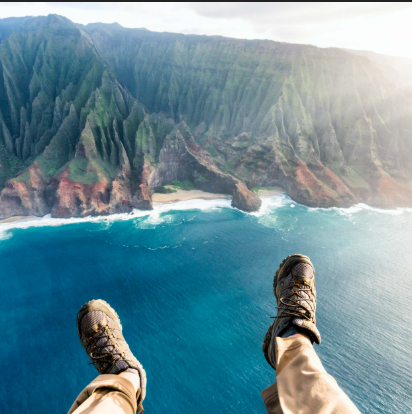
In a fast-paced world where time and resources often limit grand escapades, microadventures offer a refreshing approach to finding excitement and fulfillment without leaving your local area. Coined by British adventurer Alastair Humphreys in 2014, microadventures are short, local, and affordable experiences that deliver the thrill of adventure in everyday life. From sleeping under the stars in a nearby park to kayaking a local river, microadventures make exploration accessible to all. This blog explores the concept, types, benefits, challenges, and future of microadventures, showing how small outings can spark big transformations.
What Are Microadventures?
Microadventures are bite-sized adventures that fit into busy schedules, requiring minimal planning, cost, or equipment. Unlike traditional adventures—think climbing Everest or backpacking across continents—microadventures emphasize local exploration, often completed in a day, overnight, or weekend. Humphreys defines them as “an adventure that is close to home, cheap, simple, short, and yet very effective.” Examples include cycling to a nearby hill for a sunrise picnic, wild swimming in a local lake, or camping in your backyard.
The concept gained traction post-2014, fueled by social media and a growing desire for work-life balance. A 2024 Outdoor Journal survey found that 65% of urban dwellers in the U.S. and Europe had tried a microadventure, with 80% citing affordability and accessibility as key motivators. Microadventures resonate in a post-COVID world, where travel restrictions and economic pressures made far-flung trips less feasible, encouraging people to rediscover their surroundings.
Types of Microadventures
Microadventures come in endless forms, tailored to interests, locations, and fitness levels. Here are some popular categories:
1.Nature-Based Microadventures: These involve engaging with local landscapes. Examples include hiking a nearby trail, stargazing in a field, or foraging for wild edibles. In London, urbanites trek to Hampstead Heath for night hikes, using apps like Star Walk to identify constellations. In rural areas, microadventurers might paddle a canoe down a local stream or build a campfire to cook a meal.
2.Urban Exploration: Cities offer adventure too. Urban microadventures include exploring hidden alleys, photographing street art, or joining a free walking tour of lesser-known neighborhoods. In Tokyo, “hashiru” groups run through the city at dawn, discovering temples and markets before rush hour. Geocaching, a global treasure-hunt game, turns urban parks into adventure playgrounds, with 3 million active caches worldwide, per Geocaching.com (2024).
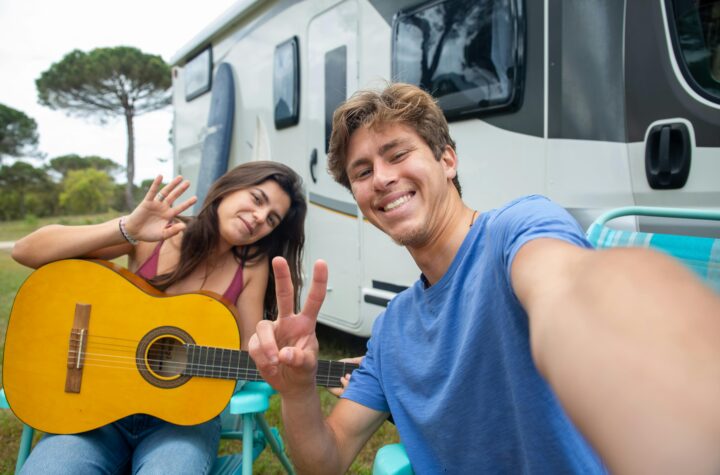
3.Overnight Escapes: Sleeping outdoors is a hallmark of microadventures. Bivvying—sleeping in a lightweight waterproof bag under the stars—is popular in the UK, with adventurers choosing local hills or beaches. Backyard camping, using a tent or hammock, is a hit with families, offering kids a taste of adventure without travel. A 2023 Camping & Caravanning Club report noted a 40% rise in UK backyard camping since 2020.
4.Fitness Challenges: Microadventures can double as workouts. Examples include cycling a 50km loop around your city, running every street in your neighborhood (a trend called “Every Single Street”), or swimming across a local lake. In 2024, Strava reported a 25% increase in microadventure-related activities, like short trail runs, among urban users.
5.Creative Pursuits: Some microadventures focus on creativity, like sketching a local landmark, writing poetry by a river, or hosting a pop-up picnic with friends. In Melbourne, artists organize “sketch crawls,” drawing cityscapes in groups, blending adventure with art.
Benefits of Microadventures
Microadventures offer a range of benefits, making them a powerful tool for personal and communal well-being.
1.Accessibility and Affordability: Unlike traditional adventures requiring expensive gear or travel, microadventures use local resources. A 2024 Adventure Travel Trade Association study found that 70% of microadventurers spend less than $50 per outing, compared to $2000+ for international trips. All you need is a bike, a sleeping bag, or just curiosity.
2.Mental and Physical Health: Microadventures boost well-being. A 2023 Journal of Environmental Psychology study found that short outdoor activities reduced stress by 35% and improved mood in 90% of participants. Activities like wild swimming or hiking increase endorphins, while nature exposure lowers cortisol levels. Urban microadventures, like city runs, promote fitness, with Strava data showing microadventurers average 20% more weekly exercise than non-participants.
3.Environmental Awareness: Exploring local ecosystems fosters appreciation for nature. Microadventurers often become advocates for conservation, joining clean-up hikes or supporting local parks. In 2024, the Leave No Trace campaign reported a 15% increase in volunteer clean-ups linked to microadventure communities.
4.Community Building: Microadventures encourage social bonds. Group activities like community bike rides or campfire meetups strengthen ties. In Chicago, the “Adventure Crew” organizes monthly microadventures, connecting 500+ locals since 2022. These events bridge diverse groups, fostering inclusivity.
5.Work-Life Balance: Microadventures fit into busy schedules, offering quick escapes. A 2024 Gallup survey found that 60% of workers who tried microadventures reported better work-life balance, as short outings provided mental resets without disrupting routines.
Challenges of Microadventures
Despite their appeal, microadventures face hurdles that can limit participation.
1.Access to Green Spaces: Urban dwellers in densely packed cities like Mumbai or Manila often lack nearby parks or trails. A 2023 World Health Organization report noted that 20% of urban residents globally live over 1km from green spaces, limiting nature-based microadventures. Solutions like urban rooftop gardens or pop-up parks are emerging but remain scarce.
2.Safety Concerns: Night hikes or solo adventures raise safety issues, especially for women or marginalized groups. A 2024 Women’s Outdoor Network survey found 40% of female adventurers felt unsafe during solo microadventures. Group outings or apps like Strava Beacon, which share live locations, are addressing this.
3.Weather and Seasonality: Harsh weather can deter microadventures. In northern climates, winter limits outdoor activities, while tropical regions face monsoon challenges. Indoor alternatives, like virtual reality hikes or urban scavenger hunts, are less immersive but viable.
4.Awareness and Motivation: Many people are unaware of microadventures or lack inspiration to start. Social media platforms like Instagram, with hashtags like #Microadventure (2 million posts in 2024), are spreading the word, but cultural shifts are needed to prioritize local exploration.
5.Environmental Impact: While microadventures promote conservation, overuse of local sites can strain ecosystems. Popular trails near cities like Los Angeles have seen 30% more foot traffic since 2020, per a National Park Service report, causing erosion and littering.
Innovations Driving Microadventures
Technology and community initiatives are making microadventures more accessible. Apps like AllTrails and Komoot map local trails, offering curated routes for hiking or cycling. Wearable tech, like Fitbit, tracks microadventure metrics, gamifying the experience. In 2024, AllTrails reported 50 million users, with 60% seeking local trails under 10 miles.
Community groups are key. In the UK, the Microadventure Club organizes weekly outings, from urban foraging to bivvy nights, with 10,000 members in 2024. Social media challenges, like Humphreys’ “5-to-9” campaign (adventuring after work), inspire participation. Schools are integrating microadventures into curricula, with programs like Outdoor Classroom Day engaging 15 million students globally in 2023.
Sustainability-focused gear is also rising. Brands like Patagonia offer lightweight, eco-friendly bivvy bags and portable stoves, reducing environmental impact. Pop-up adventure kits, like those from Nomadix, provide compact gear for urbanites, making spontaneity easier.
The Future of Microadventures
Microadventures are poised to grow as urbanization and climate awareness rise. By 2030, Statista predicts 70% of adventure travel will involve local outings, driven by cost and sustainability concerns. Cities could integrate microadventure spaces into urban planning, creating more parks or bike-friendly zones. Singapore’s “Garden City” initiative, adding 100 hectares of green space by 2027, is a model.
Technology will enhance experiences. Augmented reality (AR) apps could overlay historical or ecological data during urban walks, turning cities into interactive playgrounds. Drones might deliver gear to remote microadventure sites, while AI could suggest personalized outings based on weather and preferences.
Microadventures could also address social issues. Programs targeting underserved communities, like Outward Bound’s urban initiatives, could use microadventures to promote equity, with 5000 low-income youth participating in 2024. Mental health organizations might prescribe microadventures, building on studies showing nature’s therapeutic benefits.
Microadventures are redefining adventure, making it accessible, affordable, and meaningful. From urban runs to backyard camping, they offer thrills that fit modern life, boosting health, community, and environmental awareness. While challenges like access and safety persist, innovations in tech, gear, and community efforts are paving the way. As cities grow and lifestyles evolve, microadventures will inspire people to find joy and discovery in their own backyards, proving that big adventures start with small steps.





Consistency is key in any wellness journey. Great motivation!