Table of Contents
- Introduction
- Understanding Sustainable Fashion
- The Concept of Beauty in Clothing
- Materials and Textiles that Define Sustainable Elegance
- The Role of Craftsmanship in Sustainable Fashion
- Cultural Influences and Aesthetic Values
- Color, Pattern, and Design in Eco-Friendly Apparel
- The Emotional Connection Between Beauty and Sustainability
- Case Studies of Brands Merging Beauty with Sustainability
- Consumer Perception and Market Trends
- Future Directions in Sustainable Fashion
- Conclusion
1. Introduction
The fashion industry has always been associated with beauty, creativity, and personal expression. However, in recent years, the definition of beauty in clothing has been evolving to include environmental and ethical considerations. This shift has led to the rise of sustainable fashion, a movement that seeks to combine aesthetic appeal with eco-conscious practices. “Exploring Beauty in Sustainable Fashion” means looking at how style, culture, and responsibility can coexist, shaping a new era for the fashion world.
2. Understanding Sustainable Fashion
Sustainable fashion focuses on minimizing the negative impact of clothing production on the environment while ensuring fair treatment of workers. It involves:
- Using eco-friendly materials.
- Reducing waste through recycling and upcycling.
- Implementing ethical labor practices.
The beauty of sustainable fashion lies not only in its visual appeal but also in the story behind each garment — one of respect for people, nature, and resources.
3. The Concept of Beauty in Clothing
Beauty in clothing has traditionally been associated with trends, luxury, and exclusivity. Sustainable fashion challenges this notion by redefining beauty as something that aligns with long-term values. A dress made from organic cotton, hand-dyed with natural pigments, may be seen as more beautiful not only for its appearance but for the care and ethics that shaped it.
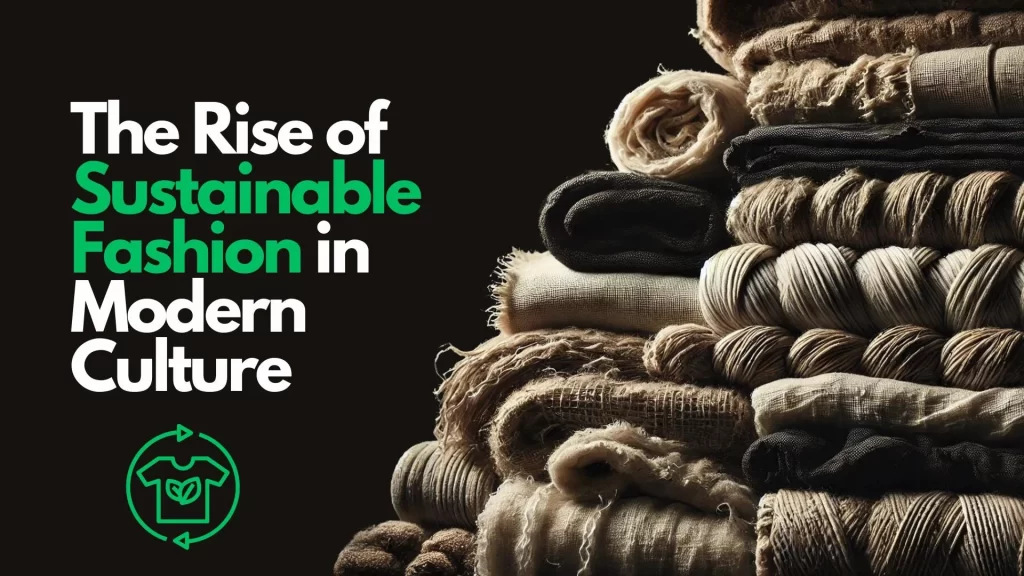
4. Materials and Textiles that Define Sustainable Elegance
Materials are the foundation of sustainable beauty. Common examples include:
- Organic cotton – Grown without pesticides, offering softness and durability.
- Hemp – Strong, breathable, and low-water-consuming.
- Tencel/Lyocell – Produced from sustainably sourced wood pulp with a closed-loop process.
- Recycled fabrics – Such as polyester made from post-consumer plastic bottles.
The beauty of these materials lies in their texture, durability, and environmental responsibility.
5. The Role of Craftsmanship in Sustainable Fashion
High-quality craftsmanship ensures that garments last longer, reducing the need for frequent replacements. In many cultures, handwoven fabrics, embroidery, and traditional dyeing techniques create pieces with unique beauty. This artisanal approach not only preserves heritage but also fosters a deeper appreciation for each item’s design and durability.
6. Cultural Influences and Aesthetic Values
Sustainable fashion often incorporates cultural aesthetics, drawing from traditional attire, local weaving patterns, and heritage techniques. For example:
- Indian block printing.
- Japanese sashiko stitching.
- Peruvian alpaca wool knitting.
These influences add layers of meaning and beauty to garments while supporting small-scale artisans worldwide.
7. Color, Pattern, and Design in Eco-Friendly Apparel
Natural dyes, derived from plants, minerals, and even food waste, create unique color palettes that synthetic dyes cannot replicate. Patterns often reflect cultural storytelling, while minimalist designs promote versatility and timeless appeal — two qualities central to sustainable beauty.
8. The Emotional Connection Between Beauty and Sustainability
Consumers are increasingly drawn to fashion that tells a story. Wearing a sustainably made garment can evoke pride and emotional satisfaction, knowing it contributes to positive change. This emotional connection enhances the perceived beauty of the item beyond its physical attributes.
9. Case Studies of Brands Merging Beauty with Sustainability
- Stella McCartney – Known for luxury fashion without leather or fur, maintaining elegant aesthetics.
- Eileen Fisher – Combines simple, timeless design with organic fabrics and recycling programs.
- Anita Dongre Grassroot – Showcases Indian artisanal craftsmanship in sustainable clothing.
These brands demonstrate that sustainability can amplify, rather than compromise, fashion’s beauty.
10. Consumer Perception and Market Trends
Surveys show that younger consumers, particularly Millennials and Gen Z, increasingly associate beauty with ethical production. This shift is influencing market demand, pushing more brands to embrace sustainability. Social media also plays a role in shaping this perception by highlighting stories behind garments.
11. Future Directions in Sustainable Fashion
Advancements in technology, such as bio-fabricated materials and AI-driven supply chain optimization, will further enhance the beauty of sustainable fashion. Future trends may include:
- Clothing that adapts to climate conditions.
- Fully biodegradable luxury fabrics.
- Enhanced transparency through blockchain tracking.
12. Conclusion
Exploring beauty in sustainable fashion means understanding that elegance is not only about appearance but also about ethics, culture, and longevity. As the industry evolves, beauty will increasingly be defined by harmony between aesthetics and responsibility. Sustainable fashion offers the opportunity to wear our values — quite literally — and to celebrate beauty that benefits both people and the planet.



Excellent read. The practical examples really helped clarify the concepts.
Thank you for sharing this! Extremely informative and well-written.