Table of Contents
- Introduction
- Understanding Sustainable Fashion
- The Aesthetic Side of Sustainability
- Materials and Textures Defining Beauty
- Cultural Influences in Eco-Fashion
- The Role of Innovation in Sustainable Design
- Case Studies: Brands Merging Beauty and Responsibility
- Consumer Perception of Beauty in Sustainable Fashion
- Challenges in Balancing Beauty and Sustainability
- Future Outlook
- Conclusion
1. Introduction
Sustainable fashion has moved beyond being a niche concept into becoming a significant global trend. While much of the conversation revolves around ethics, environmental impact, and production methods, the aesthetic appeal of sustainable fashion is equally important. Clothing is not only a functional necessity—it’s an art form, a personal statement, and a reflection of culture. In this context, “beauty” refers to design quality, visual appeal, craftsmanship, and the emotional connection people have with what they wear.
2. Understanding Sustainable Fashion
Sustainable fashion involves creating apparel in ways that minimize environmental damage, ensure fair labor practices, and support long-term resource availability. It can include the use of organic fabrics, recycled materials, and biodegradable textiles, as well as innovations like zero-waste design. While sustainability focuses on the planet and people, beauty in this sector adds the dimension of visual and tactile pleasure, making fashion desirable without compromising on values.
3. The Aesthetic Side of Sustainability
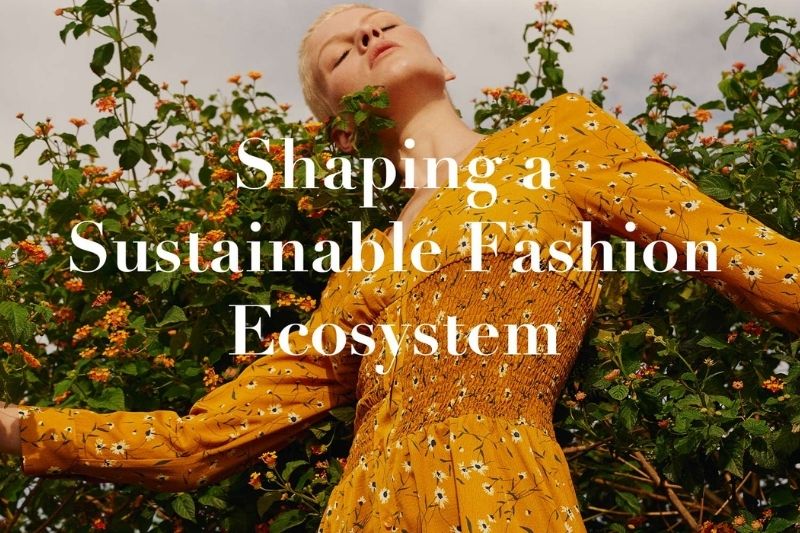
The early image of sustainable fashion often conjured up plain, neutral-toned clothing with minimal style. Today, that perception has changed drastically. Designers are creating eco-friendly collections that rival or surpass traditional fast fashion in creativity and allure. Patterns, colors, and cuts are no longer limited, proving that sustainable fashion can be both responsible and captivating.
4. Materials and Textures Defining Beauty
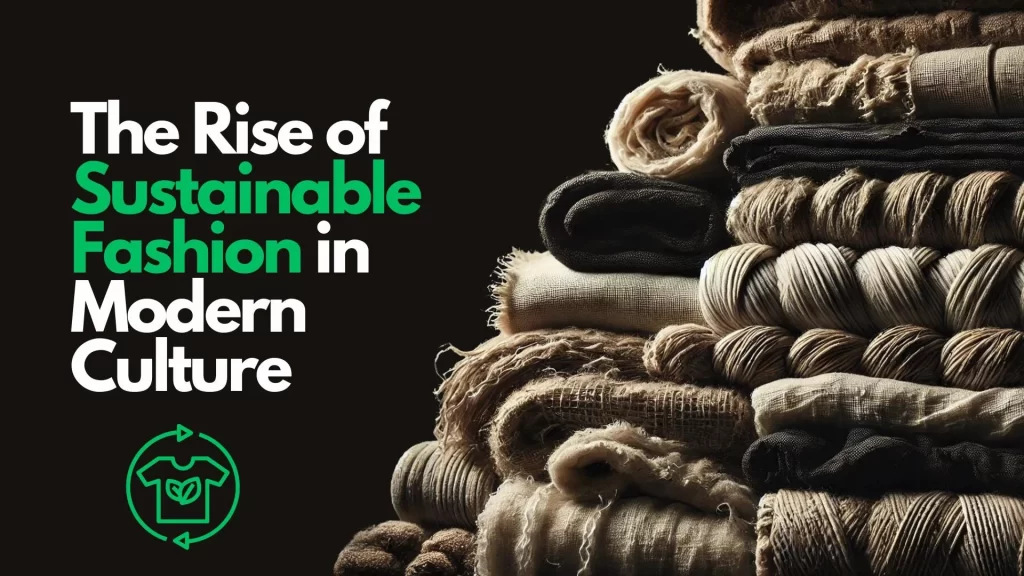
The choice of materials significantly influences the beauty of sustainable fashion. Examples include:
- Organic Cotton: Soft, breathable, and available in a variety of finishes.
- Tencel (Lyocell): Smooth, silky, and drapes elegantly.
- Hemp: Naturally textured, durable, and perfect for casual or rustic styles.
- Recycled Fabrics: Made from post-consumer waste like plastic bottles, offering unique textures.
- Plant-based Dyes: Create vibrant, non-toxic colors that are visually appealing.
The tactile qualities of these fabrics—how they feel against the skin and how they move—play a major role in consumer appreciation.
5. Cultural Influences in Eco-Fashion
Beauty in sustainable fashion often draws inspiration from traditional crafts and cultural heritage. Handwoven textiles from India, batik prints from Indonesia, or natural indigo dyeing from Japan demonstrate how heritage techniques can be revived for a sustainable future. By merging traditional artistry with eco-friendly practices, designers not only preserve culture but also create pieces that stand out in global markets.
6. The Role of Innovation in Sustainable Design
Innovation is a driving force in combining beauty with sustainability. Advancements include:
- 3D Knitting: Reduces waste and enables intricate, seamless designs.
- Digital Printing: Uses less water than traditional methods and allows complex patterns.
- Biodegradable Sequins and Embellishments: Offer decorative options without harming the environment.
- Lab-grown Leather Alternatives: Provide the luxurious look of leather without animal cruelty.
Such technologies make it possible to produce visually stunning fashion while minimizing ecological damage.
7. Case Studies: Brands Merging Beauty and Responsibility
- Stella McCartney: Known for luxury designs without leather or fur, proving sustainability doesn’t limit beauty.
- Reformation: Combines feminine, trend-driven silhouettes with eco-friendly materials and transparent supply chains.
- Mara Hoffman: Uses bold prints and sustainable fibers, appealing to style-conscious consumers.
- Patagonia: While more functional in design, it has elevated outdoor wear to a fashionable level through thoughtful color palettes and design detailing.
These examples show that brands can create garments that attract buyers for their aesthetics while aligning with ethical principles.
8. Consumer Perception of Beauty in Sustainable Fashion
Modern consumers increasingly see sustainability as part of beauty. In surveys, people express that clothing is more appealing when they know it’s ethically made. Social media influencers and fashion editors now highlight the environmental story behind garments alongside their visual qualities. This shift reflects a deeper cultural change: beauty is no longer just surface-level—it’s tied to the values a product represents.
9. Challenges in Balancing Beauty and Sustainability
Despite progress, challenges remain:
- Cost: Eco-friendly materials and ethical production often increase prices.
- Design Limitations: Some sustainable fabrics have restrictions in dye absorption or elasticity.
- Consumer Awareness: Many still equate sustainability with plain or less fashionable designs.
- Mass Production Pressure: Balancing artisanal beauty with scalable, eco-conscious manufacturing is complex.
Addressing these issues requires both creativity and ongoing education of consumers.
10. Future Outlook
The future of sustainable fashion lies in merging high aesthetics with environmental responsibility seamlessly. Expect:
- Greater use of AI in design to optimize material use.
- More collaborations between luxury brands and sustainable innovators.
- Expansion of circular fashion models, where garments are designed for recycling or resale.
- Growth in bio-based textiles that offer beauty, durability, and low environmental impact.
As consumers demand both beauty and responsibility, sustainable fashion will likely become the standard rather than the exception.
11. Conclusion
Exploring beauty in sustainable fashion reveals that environmental responsibility and visual appeal are not opposing forces. From organic fabrics to cultural craftsmanship, from innovative technologies to consumer-driven values, the sector is proving that clothing can be ethical and beautiful at the same time. As designers, brands, and consumers continue to embrace this harmony, the fashion industry has the opportunity to redefine what true beauty means—one that reflects both style and substance.




Sun protection is the best anti-aging product! Glad you emphasized that.
Skincare routines don’t have to be complicated to be effective. Love the simplicity of this approach.
Sun protection is the best anti-aging product! Glad you emphasized that.