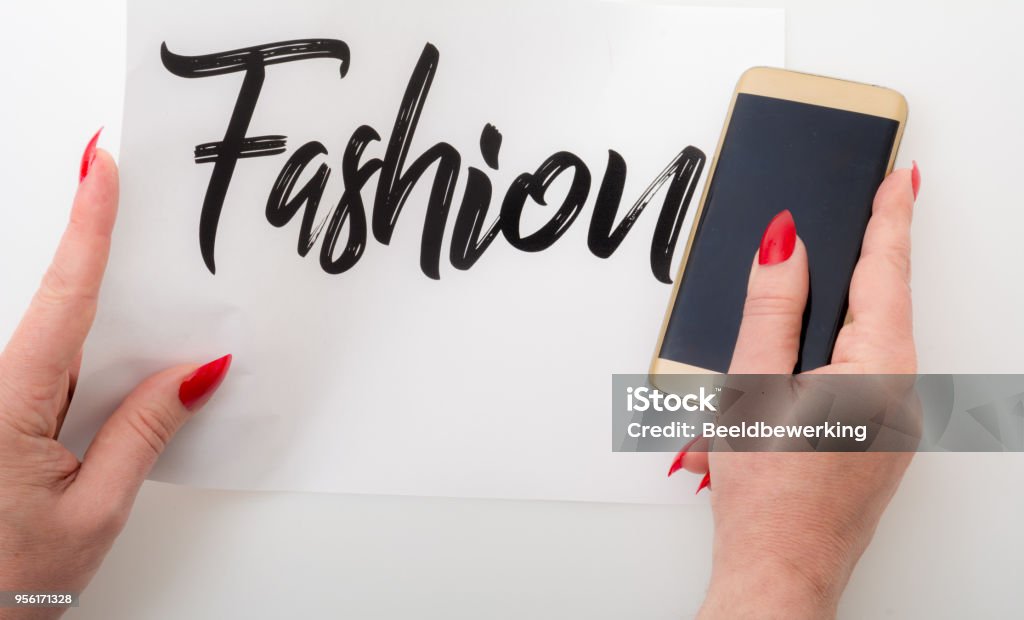
Woman with new manicure holding up the word Fashion on a paper and a gold smartphone in her other hand. Mature woman with red stiletto manicure
Fashion has always been a reflection of society — a mirror that shows how people live, think, and express themselves. For decades, the fashion industry has been synonymous with creativity and glamour, but it has also carried a hidden cost: high water usage, pollution, and massive textile waste.
Today, the world is experiencing a transformation led by eco-friendly fashion — a movement redefining how clothes are made, worn, and valued. From biodegradable fabrics to digital fashion, sustainable trends are turning the once wasteful fashion system into one rooted in responsibility and care for the planet.
This blog explores the key eco-friendly fashion trends of today and the future — offering a guide for conscious consumers who believe in looking good while doing good for the Earth.
The Shift Toward Sustainable Fashion
The global fashion industry is worth over $1.7 trillion, but it is also one of the largest polluters on the planet. Studies show that the sector is responsible for 10% of global carbon emissions and 20% of wastewater pollution. Every second, textile waste equivalent to one truckload is either burned or dumped into landfills.
In recent years, however, both brands and consumers have begun waking up to these realities. People are demanding transparency, ethical sourcing, and eco-friendly alternatives. Fashion is no longer just about trends; it’s about values.
Sustainability in fashion encompasses everything from producing clothes using renewable resources to ensuring fair wages for garment workers. It’s about creating a balance between style and ethics — where beauty exists without exploitation.
1. Circular Fashion: Closing the Loop
One of the biggest shifts in sustainable fashion is the rise of circular fashion — a model that focuses on durability, repair, and recycling rather than waste.
Traditional fashion follows a linear system — make, wear, and throw away. Circular fashion reimagines this by designing clothes that can be reused, upcycled, or composted.
Major brands are introducing take-back programs, where customers can return worn-out clothes for repurposing. Others are adopting modular designs that allow garments to be repaired or reinvented rather than discarded.
Platforms like ThredUp and Depop — global resale networks — are helping circularity thrive, extending the life of every garment. According to industry reports, the second-hand market is projected to reach $350 billion by 2028, driven by eco-conscious shoppers.
Circular fashion isn’t just a trend; it’s a revolution — one that transforms fast fashion’s throwaway culture into a sustainable cycle of creativity.
2. Vegan and Cruelty-Free Fashion
The demand for vegan fashion has skyrocketed over the past few years. With a growing awareness of animal welfare and the harmful environmental impacts of materials like leather, wool, and silk, designers are turning to innovative plant-based alternatives.
Some groundbreaking materials include:
- Mylo leather: Made from mushroom mycelium, offering the look and feel of genuine leather.
- Piñatex: Created from pineapple leaf fibers.
- Apple leather: Crafted from apple waste from the food industry.
- Cactus leather: Harvested sustainably with minimal water usage.
Eco-conscious consumers can now buy everything from vegan handbags to sneakers, enjoying luxury without harm. Major fashion houses like Stella McCartney and Gucci have already adopted vegan materials into their collections.
Vegan fashion represents empathy — where style and kindness coexist beautifully.
3. Biodegradable and Organic Materials
Synthetic fabrics like polyester, nylon, and acrylic dominate the fashion market — but they take hundreds of years to decompose. As sustainability gains momentum, designers are choosing natural, biodegradable fabrics that return to the earth without harm.
Some popular choices include:
- Organic cotton: Grown without pesticides, saving soil and water.
- Hemp: Naturally renewable and extremely durable.
- Bamboo: A fast-growing plant requiring minimal resources.
- Linen: Made from the flax plant, known for its cooling properties.
Additionally, innovation is introducing bio-fabrication — fabrics grown in labs using microbes or algae. These materials are not only biodegradable but can even absorb carbon. Imagine clothes that clean the environment — that’s the future of eco-friendly fashion.
4. Upcycling & Recycled Fashion
Waste is the enemy of sustainability, and upcycling is the hero trend combating it.
Upcycling involves transforming old garments or discarded fabrics into new, stylish pieces. It breathes life into materials that would otherwise end up in landfills. Fashion designers and DIY creators are showcasing how creativity can replace consumption.
Similarly, recycled fashion repurposes plastic bottles, fishing nets, and industrial waste into usable fibers. Brands like Patagonia and Adidas have pioneered this by producing fleece jackets and shoes made from recycled ocean plastic.
Not only does this reduce pollution, but it also sparks innovation while reminding consumers that sustainability can be fashionable.
5. Transparency and Traceability
In the era of conscious consumerism, people expect honesty from brands. Fashion lovers now ask: Where was this made? Who made it? How ethical is it?
This demand has led to a revolution in transparency and traceability. Thanks to innovations like blockchain technology, consumers can scan a tag to access a product’s full history — from raw materials to finished garment.
Blockchain-backed transparency ensures fair trade practices, ethical labor, and sustainability claims that can be verified. Brands embracing open supply chains not only gain trust but inspire others to follow suit.
6. Minimalism: “Buy Less, Choose Well”
Minimalism has shifted from a design concept to a lifestyle. In fashion, it translates to buying fewer, better-quality clothes designed to last.
Instead of chasing every trend, people are building capsule wardrobes — collections of timeless pieces that mix and match effortlessly. Neutral colors, clean silhouettes, and versatility define this movement.
The mantra is clear: Quality over quantity.
Minimalist fashion isn’t about restriction — it’s about freedom. When your wardrobe aligns with your identity and values, you gain clarity and confidence while reducing waste and overconsumption.
7. Gender-Neutral & Inclusive Fashion
Sustainability is not only about the planet; it’s also about people. The rise of gender-neutral fashion reflects a deeper awareness of inclusivity and equality.
Designers are moving beyond gender labels, creating clothing that embraces identity and diversity. Gender-neutral fashion promotes slow, sustainable buying habits — since styles are timeless and suitable for everyone.
This shift also cuts overproduction, as one versatile collection can serve a broader audience. Brands like Telfar, Collina Strada, and One DNA are at the forefront of this inclusive, sustainable revolution.
8. The Return of Second-Hand and Vintage
The popularity of vintage and second-hand fashion has soared, driven by eco-conscious Gen Z shoppers. Buying pre-loved clothes reduces the need for new production, thereby lowering carbon emissions and textile waste.
Online marketplaces such as Poshmark, Vinted, and ThredUp have turned resale into a global fashion movement. Vintage clothing is now a symbol of individuality and eco-friendly luxury.
Thrifting isn’t just sustainable — it’s stylish and empowering. You’re not just buying clothes; you’re preserving stories and reducing waste.
9. Technology and Innovation: Smart Sustainability
Technology is reshaping sustainability in powerful ways. Modern fashion brands are using AI, data analytics, and biotechnology to design smarter and reduce waste.
Artificial Intelligence (AI) helps predict customer preferences, allowing precise production and minimizing overstock. Similarly, 3D printing creates customized pieces with near-zero fabric waste.
Blockchain systems track supply chain data, while biodegradable dyes developed from algae replace chemical ones.
These digital breakthroughs mark the next frontier — merging creativity with environmental responsibility.
10. Slow Fashion: Mindful Consumption
Slow fashion contrasts sharply with the high-speed cycles of fast fashion. It focuses on mindfulness — knowing who made your clothes, how long they’ll last, and why they matter.
The slow fashion movement encourages ethical labor practices, small-batch production, and local craftsmanship. By purchasing from small brands and artisans, consumers support creativity and fairness while minimizing waste and mass production.
Slow fashion is not about slowing down style — it’s about celebrating the story behind every stitch.
The Human Side of Eco-Fashion
Behind sustainable fashion, there’s a deeper purpose: creating dignity, community, and fair opportunity. The industry’s shift towards ethical production ensures workers earn fair wages, work in safe conditions, and receive respect.
Many eco-fashion brands collaborate with communities of women artisans, preserving traditional crafts while empowering rural economies. These collaborations transform sustainability into a cycle of empowerment — where fashion uplifts both people and the planet.
How Consumers Are Shaping the Future
The power of eco-friendly fashion lies not only in designers but in the hands of consumers. Every purchase becomes a choice — to support mindful brands instead of wasteful trends.
Today’s consumers, especially Gen Z and millennials, prioritize sustainability when shopping. Reports show that nearly 75% of consumers prefer brands that are transparent about their environmental and social efforts.
Whether it’s thrifting, renting outfits, or choosing reusable packaging, conscious consumption has become the norm rather than the exception.
Global Brands Leading the Sustainable Revolution
Several companies are pioneering eco-friendly Stella McCartney: A trailblazer in cruelty-free luxury fashion.
Levi’s: Innovates with water-saving denim production and recycling programs.fashion practices:
- Patagonia: A global icon for environmental activism, promoting repair and resale over waste.
- Reformation: Known for transparency and eco-fabrics.
- H&M Conscious Collection: Incorporates recycled fabrics and resale initiatives.
Each of these brands demonstrates that profit and planet can coexist — that innovation and responsibility can share the same runway.
Small Changes Matter: How to Become an Eco-Conscious Shopper
Even individual efforts can make a big difference. Here are small, actionable ways to support sustainable fashion:
- Buy less, but buy better.
- Choose brands that use organic or recycled materials.
- Support local artisans and small ethical businesses.
- Reuse and repair clothes instead of discarding them.
- Donate or swap instead of throwing away.
- Read labels — know the materials and origins of your clothes.
Every eco-conscious choice adds up. When millions choose better, the fashion industry evolves faster toward sustainability.
The Future of Fashion: Green Is the New Glamorous
Fashion is no longer measured by how new or expensive something looks but by how responsibly it’s made. The world’s next generation of designers and shoppers are redefining the meaning of elegance — making it synonymous with sustainability.
As more technologies emerge, from lab-grown fabrics to zero-waste designs, the fashion industry is evolving into a world where creativity meets conscience.
The future wardrobe is lighter, kinder, and smarter — where every garment tells a story not of mass production but of purpose.
Final Thoughts
Eco-friendly fashion is not just a passing trend; it’s the future of an industry in need of balance. It asks: What kind of world do we want our clothes to create?
From circular design and vegan fabrics to transparent supply chains and mindful consumerism, the movement unites style with sustainability. Each innovation marks a step away from wastefulness and a leap toward responsibility.
The next time you buy something new, think about its journey — from fiber to fabric, dye to design. Fashion is about expression, yes, but now it’s also about impact.
The green revolution in fashion is already here — elegant, ethical, and empowering. The choice to join it lies in our closets.


Work-life balance is a myth, it’s about work-life integration! Love your perspective.