
I used to think that more was better. More color, more detail, more texture — every design I created felt like a carnival of creativity. I believed that an abundance of elements made my work look “complete.” But as time passed, I began to feel something was off. My designs were busy, but they didn’t breathe. They looked full, but not focused. They caught attention, but didn’t hold it.
It was only when I stumbled upon the world of minimalist design inspiration that everything changed. And strangely, it wasn’t a designer who inspired me first — it was life itself.
When Silence Spoke Louder Than Words
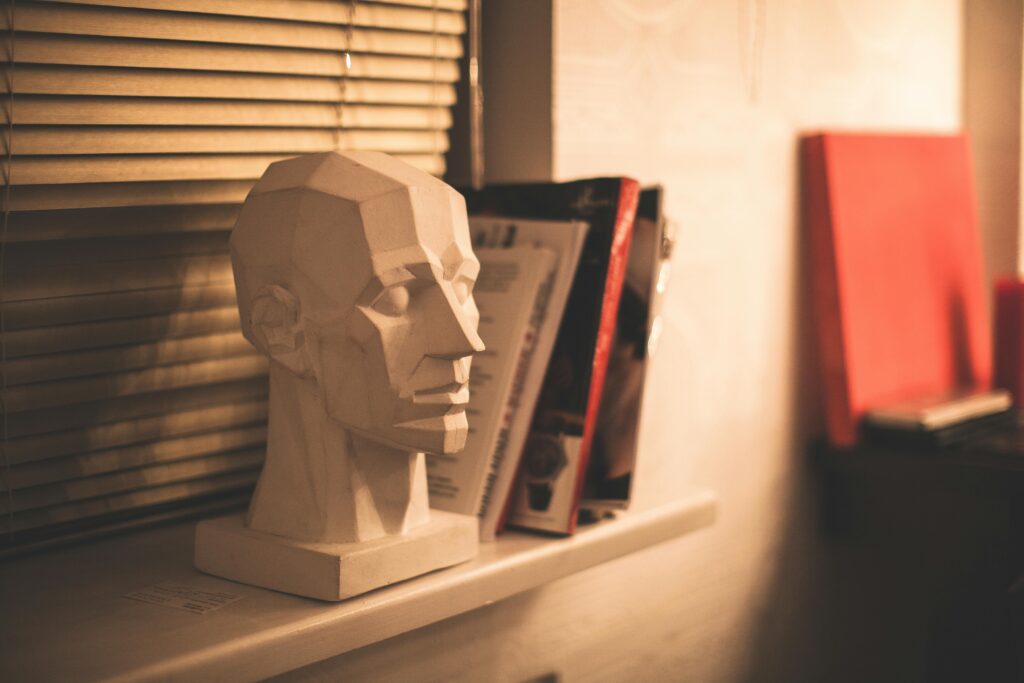
It happened on a quiet Sunday morning at a café in Jaipur. The place had white walls, plain wooden furniture, and soft sunlight filtering through bamboo blinds. No loud colors, no complex décor — just calm. I remember sitting there for a long time, sipping my coffee and feeling an unexpected sense of peace.
That space spoke to me in a way no cluttered design ever could. It was honest. It didn’t try too hard. And that’s when it struck me: maybe simplicity wasn’t emptiness — maybe it was clarity.
From that day, I started exploring what minimalist design really meant — not as a style, but as a philosophy.
The Real Meaning of Minimalism
Minimalism isn’t about removing things for the sake of it. It’s about keeping only what truly matters. It’s design with intention.
At first, it was difficult. My mind was trained to fill spaces, to decorate, to add layers. Leaving a white space felt incomplete. But slowly, I began to see beauty in restraint.
I started asking myself before every design:
- Does this element add value, or is it just decoration?
- What am I really trying to say here?
And often, I found that removing something made the message louder.
That’s the magic of minimalist design inspiration — it helps you focus not on what you can add, but on what you can’t live without.
Lessons from Everyday Simplicity
My journey with minimalism didn’t just happen behind a computer screen; it showed up everywhere.
When I decluttered my desk, I felt calmer while working. When I stopped overloading my wardrobe, I got dressed faster. When I simplified my website, visitors stayed longer.
Minimalism started teaching me something deeper — that simplicity creates space for connection.
And in design, connection is everything.
The Emotional Side of Simplicity
Many people think minimalist design is cold or emotionless. But for me, it’s the exact opposite. It’s emotional because it’s intentional.
Think about a blank canvas with a single, well-placed line. That one stroke tells a story. It invites you to think, to feel, to interpret.
Minimalism doesn’t overwhelm your senses — it allows your mind to rest. It gives your audience permission to breathe and engage naturally.
When I started applying this philosophy to branding and marketing designs, I noticed a strange but beautiful shift — people stopped skimming and started paying attention.
They noticed the fonts, the textures, the quiet balance between words and visuals. My work wasn’t shouting anymore; it was whispering with purpose.
The Discipline Behind Minimalism
Minimalism may look effortless, but it requires discipline — and a lot of courage.
It’s easy to add another color or icon. It’s hard to stop when it feels “too plain.” But that’s the test.
I learned to value negative space, the area most beginners fear. I learned to trust simplicity even when it made me doubt myself. And I learned that minimalism is not about perfection; it’s about precision.
One of my favorite lessons from minimalist design inspiration is this: “Perfection is not when there is nothing more to add, but when there is nothing left to take away.”
That sentence became my creative mantra.
Nature — The Original Minimalist Designer
When I started observing nature, I realized it had been teaching minimalism all along.
A tree doesn’t grow extra branches it doesn’t need. A seashell doesn’t have unnecessary patterns. Everything in nature has a purpose — a balance.
I tried to bring that same balance into my designs. I used softer palettes inspired by sand, stone, and sky. I experimented with simple, geometric layouts that mimicked the symmetry of leaves or waves.
The results were elegant, calm, and timeless.
Sometimes, all you need to do is look around — nature has already designed the most beautiful minimalism we could ever imagine.
The Human Connection
Minimalist design inspiration isn’t just about how things look — it’s about how they feel.
In one of my projects for a small boutique brand, we removed all the decorative clutter from their website. No pop-ups, no flashing banners, no heavy colors. Just calm typography, honest product photos, and white space.
At first, the client was nervous. “Won’t it look empty?” they asked. But within weeks, the bounce rate dropped, and engagement rose. Customers started spending more time exploring.
Why? Because simplicity makes people feel safe. It builds trust. It creates comfort.
That project made me realize something powerful — minimalism helps people focus on what matters most.
The Influence of Modern Life
We live in a world overloaded with noise — ads, notifications, endless choices.
Minimalism feels like a breath of fresh air in that chaos.
It’s not just a trend; it’s a reaction to the overwhelm of modern life. People are craving simplicity because it gives them clarity.
When brands embrace minimalist design inspiration, they’re not just creating a look — they’re creating a feeling of peace, confidence, and order.
And in a world that’s constantly shouting, the quiet voice stands out the most.
The Small Details That Matter
In minimalism, every detail counts — because there are fewer of them.
I started obsessing over typography, spacing, and alignment. How a line breaks, how an image breathes, how colors complement each other — these small choices began to shape the soul of my work.
Minimalist design doesn’t forgive laziness. It’s raw and honest. If something is off, you can see it immediately.
That’s why minimalism trains you to become precise, thoughtful, and mindful — qualities that spill into everything you create and even how you live.
Letting Go to Grow
I used to be afraid of simplicity because I thought it meant limitation. Now I realize it means freedom.
When I let go of excess — in design and in life — I gained clarity.
My designs spoke louder. My workspace felt lighter. My creativity expanded because my mind wasn’t cluttered.
Letting go isn’t losing; it’s refining.
Minimalism is not the absence of creativity — it’s the highest expression of it.
The Quiet Revolution
Today, when I see brands embracing minimalist design inspiration, I smile. It means people are starting to value authenticity over excess.
From Apple’s clean aesthetics to the calm design of Scandinavian homes — minimalism has become a quiet revolution.
It’s about choosing depth over decoration, clarity over confusion, and intention over impulse.
And it’s not going away anytime soon — because simplicity never goes out of style.
How It Changed Me
Minimalism didn’t just change my work — it changed me.
I started living with less, choosing quality over quantity, and prioritizing peace over perfection.
It made me more patient, more aware, and more grateful for small details.
And as my designs became cleaner, my thoughts did too.
Minimalism taught me to value silence — in design, in speech, and in life.
Closing Thoughts
If you’re someone who feels that your creative work is too noisy, too crowded, or too complicated — pause. Step back. Ask yourself what really needs to be there.
Minimalist design inspiration isn’t about taking everything away. It’s about giving space to what truly matters.
The blank space isn’t empty — it’s powerful. It lets your message breathe. It gives your viewer a moment to feel.
So, don’t fear simplicity. Embrace it. Because sometimes, the most profound designs are the ones that say the most by showing the least.
After all, in design — and in life — the beauty of less often reveals the truth of more.