
Table of Contents
- Introduction
- Understanding Sustainable Fashion
- The Evolution of Beauty in Clothing
- Sustainability and Aesthetic Appeal
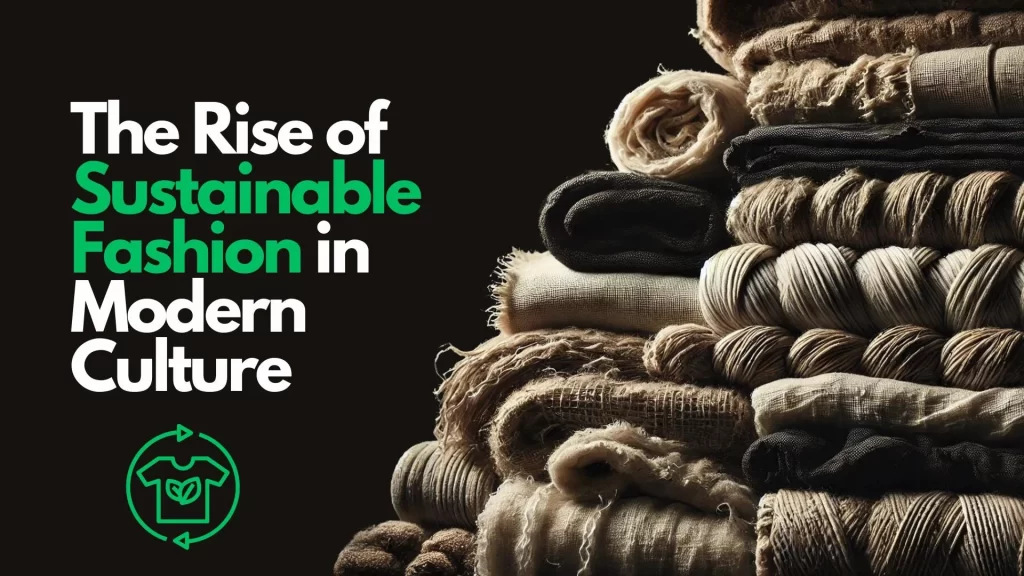
- Materials that Merge Elegance and Ethics
- Design Innovation in Eco-Friendly Fashion
- Global Influence of Sustainable Trends
- Challenges in Maintaining Beauty and Sustainability
- Case Studies: Brands Achieving Both
- Future Outlook
- Conclusion
1. Introduction
The concept of beauty in fashion has always evolved with time, reflecting culture, technology, and social values. Today, as the world faces environmental challenges, the definition of beauty in fashion is expanding to include sustainability. It is no longer enough for clothing to be visually appealing—it must also be ethically produced and environmentally responsible. This shift has opened the door for creative innovations that merge elegance with eco-consciousness, allowing fashion to be both beautiful and sustainable.
2. Understanding Sustainable Fashion
Sustainable fashion refers to the design, production, and consumption of clothing in a way that minimizes environmental impact and promotes fair labor practices. It includes considerations such as material sourcing, production processes, transportation, and disposal. Unlike fast fashion, which prioritizes speed and low cost, sustainable fashion focuses on longevity, quality, and ethical responsibility.
The beauty in sustainable fashion comes not just from the final look of the garment, but from the story behind it—natural dyes, organic fabrics, recycled materials, and artisanal craftsmanship all contribute to an aesthetic that feels authentic and meaningful.
3. The Evolution of Beauty in Clothing
Historically, beauty in fashion has been tied to visual appeal—luxurious fabrics, intricate designs, and flattering silhouettes. However, in the modern era, beauty is being redefined to include values like minimalism, natural textures, and cultural preservation. Consumers increasingly associate elegance with garments that are responsibly made, showing that aesthetics can evolve without losing their charm.
4. Sustainability and Aesthetic Appeal
Sustainability does not have to mean compromising on beauty. In fact, many sustainable garments carry a unique appeal because of their natural origins. For example, organic cotton tends to have a softer texture, while fabrics like hemp and bamboo offer durability with a distinctive look. Similarly, plant-based dyes create shades that feel warmer and more grounded compared to synthetic alternatives.
Designers are exploring how eco-friendly fashion can stand out not only because of its ethical credentials but also because of its distinctive, timeless beauty.
5. Materials that Merge Elegance and Ethics
Some key sustainable materials that bring beauty to fashion include:
- Organic Cotton – Grown without harmful chemicals, offering a soft, breathable feel.
- Linen – Made from flax plants, naturally textured and elegant.
- Hemp – Durable, naturally resistant to pests, and stylish in both casual and formal wear.
- Recycled Fabrics – From PET bottles to textile waste, reprocessed materials can produce unique textures and patterns.
- Tencel (Lyocell) – A silky, biodegradable fabric made from wood pulp.
These materials prove that environmental responsibility can enhance, rather than diminish, aesthetic appeal.
6. Design Innovation in Eco-Friendly Fashion
Sustainable fashion designers are pushing creative boundaries. Innovations like zero-waste pattern cutting reduce fabric scraps, while modular clothing designs allow garments to be worn in multiple ways. The beauty lies in versatility—one piece can serve different styles and occasions, making it both functional and visually captivating.
Brands are also experimenting with 3D knitting technology, which produces garments directly from yarn without fabric waste. This method allows for intricate patterns and textures while maintaining eco-conscious production.
7. Global Influence of Sustainable Trends
Sustainable fashion is influencing global style trends in significant ways. Minimalist designs, earthy color palettes, and handcrafted details are gaining popularity worldwide. Cultural heritage is also making a comeback, with traditional weaving, embroidery, and dyeing techniques being incorporated into modern designs.
Fashion weeks in major cities such as Paris, Milan, and New York now showcase sustainable collections, proving that eco-conscious fashion is not a niche—it is shaping the mainstream definition of beauty.
8. Challenges in Maintaining Beauty and Sustainability
Despite the progress, there are challenges in balancing beauty and sustainability:
- Cost – Ethical materials and fair labor often increase prices.
- Availability – Some eco-friendly fabrics are not as widely available.
- Consumer Perception – Some still view sustainable fashion as less stylish.
- Scalability – Expanding production while keeping environmental impact low is difficult.
Overcoming these challenges requires both innovation and consumer education.
9. Case Studies: Brands Achieving Both
- Stella McCartney – Known for luxury fashion without animal products, blending elegance with sustainability.
- Reformation – Uses eco-friendly fabrics and offers transparency on environmental impact.
- Patagonia – Combines outdoor aesthetics with responsible material sourcing.
- Eileen Fisher – Focuses on timeless designs and sustainable fibers.
These brands show that beauty and ethics can coexist successfully.
10. Future Outlook
The future of beauty in sustainable fashion looks promising. With technological advancements, sustainable fabrics will become more accessible and versatile. AI-driven design tools, biodegradable textiles, and closed-loop recycling systems are likely to redefine what is possible in fashion aesthetics.
As consumer values shift, beauty will increasingly be measured not just by visual appeal but also by the garment’s life story—how it was made, who made it, and how it impacts the planet.
11. Conclusion
Sustainable fashion is transforming the way we define beauty in clothing. By embracing eco-friendly materials, innovative design techniques, and ethical practices, the fashion industry can create garments that are as visually stunning as they are environmentally responsible. This dual focus ensures that beauty in fashion is no longer skin deep—it is woven into the very fabric of our choices.