It all started with a random conversation over coffee. One of those moments where a simple complaint turns into, “Wait, what if we actually built something to solve this?” At the time, I didn’t think too much of it. I’ve had plenty of ideas before, and most of them never made it past the notes app on my phone. But for some reason, this one stuck.
The idea wasn’t groundbreaking. It wasn’t some world-changing innovation. It was just a solution to a common problem that a lot of people seemed to deal with. That’s probably why it felt so real. It didn’t require massive funding or a full development team just focus, some basic tools, and the drive to get something out there quickly.
The biggest shift for me was deciding not to overthink it. I’d been guilty in the past of spending weeks sometimes months just planning. Endless wireframes, feature wishlists, competitive research, and all that. But this time, I set a deadline: 30 days. The goal wasn’t to build the perfect product. It was to build something usable, something people could actually try and give feedback on.
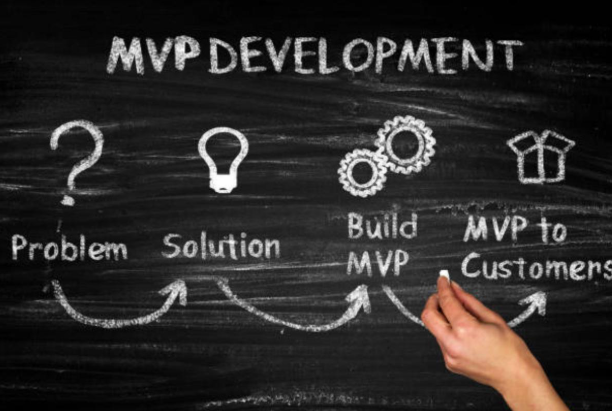
So on Day 1, I wrote everything down the core idea, who it was for, what it needed to do at a bare minimum. I stripped it down to the basics: what’s the problem, and what’s the simplest version of a solution? That became the roadmap.
I also made a list of what I was not going to do. No custom branding. No fancy animations. No getting stuck choosing the perfect font. Just the core functionality, live and working.
I used a bunch of no-code tools to build the first version. I had a little bit of technical background, but I didn’t want to waste time building from scratch. My thinking was, if the idea doesn’t work in no-code form, it probably won’t work at all. So I hacked together a rough version think duct tape and bubble gum, but digital. It didn’t look great, but it worked.
By the end of week one, I had something I could click through. It wasn’t public yet, but I could demo it to a friend and get a reaction. That first test gave me a mix of excitement and panic. There were bugs. The UX was clunky. But the reaction was clear: “This actually solves the problem.” That was enough to keep going.
The next week was about refinement. Fixing obvious issues, simplifying flows, and trimming down features even more. I was constantly tempted to add things. “What if we let users do this too?” But every time that thought popped up, I reminded myself: MVP. Minimum. Viable. Product. Not maximum, not polished, not perfect. Just enough to work and get feedback.
Marketing was happening in parallel. I didn’t wait until the product was done. I started talking about it online, sharing behind-the-scenes updates, and even showing parts of the messy, unfinished interface. I thought people would ignore it, but surprisingly, those raw posts got more interest than anything I’d posted before. Turns out, people love seeing things being built in real time.
I also created a simple landing page with a waitlist. Again, nothing fancy just a headline, a few lines explaining the problem, and an email field. Within a week, I had 40–50 signups. Not thousands, but way more than zero. It proved there was interest.
By the third week, I opened up the MVP to a few early users. I messaged them personally, explained that this was a rough draft, and asked for honest feedback. And they gave it brutally. “It’s slow.” “This part is confusing.” “I didn’t understand what to do next.” At first, it stung. But after the initial reaction wore off, I started seeing patterns. Multiple people had the same complaints. That told me what to fix.
I spent the final week cleaning things up based on that feedback. Again, not perfecting just improving the things that clearly weren’t working. I also set up basic analytics, so I could see how people were using the product without needing to ask them every time. Even watching five people use the product taught me more than weeks of planning ever could.
By day 29, the MVP was live. Real users were clicking around, creating accounts, testing features. Some of them even shared it with friends. I was blown away. Not because it went viral or anything it didn’t but because it was real. I’d taken an idea from my head and turned it into a working product that people were actually using. That feeling is hard to describe.
Looking back, the biggest lesson wasn’t about tools or tactics. It was about momentum. Setting a 30-day deadline forced me to make fast decisions, stop overthinking, and keep moving forward. There was no time for perfectionism, no room for second-guessing. Just action.
I also learned that simplicity wins. Most users don’t care about fancy features. They care about solving their problem, fast and easily. The more I trimmed down, the better the product got.
Another big shift was getting out of the “build it and they will come” mindset. Talking to people early, sharing the journey, and inviting feedback before launch helped me build something that actually mattered to others not just to me.
Of course, launching the MVP wasn’t the end. It was just the start. There was still so much to do refining features, fixing bugs, onboarding users, figuring out pricing. But the hardest part was done: starting. The rest, I could learn along the way.
Launching a startup in under 30 days sounds intense, and yeah it was. But it was also one of the most exciting, satisfying things I’ve done. I didn’t need a huge team, a giant budget, or years of planning. Just a clear idea, focus, and the willingness to learn fast.
If you’ve got an idea that won’t leave your mind, maybe it’s time to stop thinking and start building. Give yourself 30 days. Strip it down to the essentials. Talk to real users. Launch something even if it’s ugly. You’ll learn more in those 30 days than in a year of planning.
And who knows? It might just turn into something real.