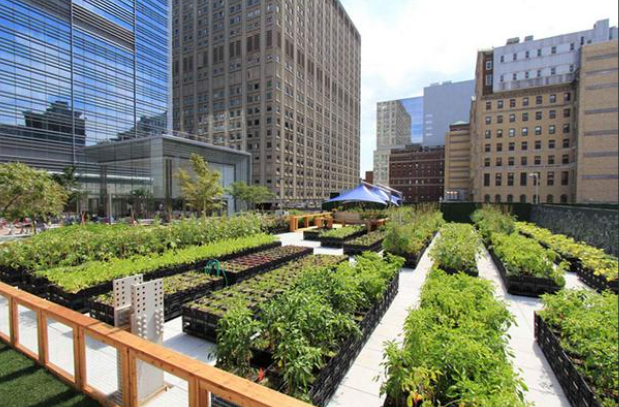
Urban farming, the practice of cultivating food in or around cities, is transforming how we think about agriculture, sustainability, and community. As urban populations swell—68% of the world’s population is projected to live in cities by 2050, per the United Nations—space for traditional farming dwindles, and food supply chains face mounting pressure. Urban farming offers a solution, turning rooftops, vacant lots, and even vertical walls into productive green spaces. This blog explores the rise of urban farming, its methods, benefits, challenges, and its potential to reshape city life.
The Rise of Urban Farming
Urban farming isn’t new. Ancient cities like Babylon used rooftop gardens, and World War II’s Victory Gardens saw urbanites grow food to support war efforts. However, the modern urban farming movement gained traction in the early 2000s, driven by concerns over food security, climate change, and urbanization. Cities like Detroit, Tokyo, and Singapore have embraced urban agriculture to address local food deserts, reduce carbon footprints, and foster community resilience.
The global urban farming market is booming, valued at $137 billion in 2023 and projected to reach $180 billion by 2030, according to a Statista report. This growth reflects a shift in mindset: cities are no longer just consumption hubs but can be productive ecosystems. From community gardens to high-tech hydroponic farms, urban agriculture is redefining how food is grown and consumed.
Methods of Urban Farming
Urban farming encompasses diverse techniques tailored to city constraints. Here are the primary methods:
1.Rooftop Gardens: Rooftop farms utilize unused building tops for cultivation. In New York City, Brooklyn Grange operates the world’s largest rooftop soil farms, growing over 80,000 pounds of produce annually across 5.6 acres. These gardens use lightweight soil and irrigation systems to produce vegetables, herbs, and even honey, while reducing building energy costs by insulating rooftops.
2.Vertical Farming: Vertical farms stack crops in layers, often in controlled environments like warehouses. Using hydroponics (water-based nutrient systems) or aeroponics (mist-based systems), these farms maximize space. Singapore’s Sky Greens, a pioneer in vertical farming, produces 10 times more yield per square meter than traditional farms, growing leafy greens in rotating towers powered by solar energy.
3.Community Gardens: These grassroots initiatives turn vacant lots into shared growing spaces. In Detroit, over 1,400 community gardens have revitalized abandoned neighborhoods, providing fresh produce to food-insecure areas. These gardens foster social bonds, with residents sharing harvests and knowledge.
4.Hydroponics and Aquaponics: Hydroponics grows plants in nutrient-rich water, while aquaponics integrates fish farming, using fish waste to fertilize plants. Companies like AeroFarms in Newark, New Jersey, use hydroponics to grow greens in repurposed warehouses, achieving 390 times the yield of traditional farming per square foot, per a 2023 Forbes report. Aquaponics systems, like those at Growing Power in Milwaukee, combine tilapia farming with vegetable production, creating closed-loop ecosystems.
5.Container and Backyard Farming: Small-scale urban farmers use containers, raised beds, or backyard plots. Modular systems like FarmBox allow apartment dwellers to grow herbs and vegetables on balconies. In Tokyo, micro-farms in backyards supply local restaurants, reducing food miles.
Benefits of Urban Farming
Urban farming offers multifaceted benefits, addressing environmental, social, and economic challenges.
1.Food Security and Access: Urban farms bring fresh produce to food deserts—areas with limited grocery access. In Chicago, Growing Home’s urban farms supply low-income neighborhoods, with 70% of produce distributed locally, per a 2024 case study. This reduces reliance on distant supply chains, which can be disrupted by climate events or geopolitical issues.
2.Environmental Sustainability: Urban farms reduce the carbon footprint of food transport, which accounts for 19% of food-related emissions, per a 2023 *Nature Food* study. Rooftop gardens and green walls also mitigate urban heat islands, lowering city temperatures by up to 5°C. Hydroponic systems use 90% less water than traditional farming, crucial in water-scarce regions.
3.Community and Mental Health: Urban gardens foster social cohesion. A 2024 *Journal of Urban Health* study found that community garden participants reported 30% lower stress levels and stronger neighborhood ties. Gardening also promotes physical activity and mental wellness, with programs like London’s Growing Together linking urban farming to therapy for anxiety.
4.Economic Opportunities: Urban farming creates jobs and entrepreneurial ventures. In Nairobi, Kenya, youth-run urban farms supply markets, employing over 10,000 people, per a 2023 UN report. Small-scale farmers sell directly to consumers or restaurants, boosting local economies.
Challenges of Urban Farming
Despite its promise, urban farming faces significant hurdles. Land scarcity is a major issue—urban real estate is expensive, and zoning laws often prioritize commercial development over agriculture. In New York, rooftop farmers face high retrofitting costs, with installations averaging $10-$50 per square foot, per a 2024 Urban Agriculture Journal study. Community gardens risk displacement as cities gentrify, as seen in Los Angeles, where 20% of gardens were lost to development between 2015 and 2023.
Soil contamination is another concern. Urban plots often contain heavy metals or pollutants, requiring costly remediation. Hydroponics bypasses this but demands high initial investments—$1 million for a mid-sized vertical farm, per AgFunder. Energy costs for indoor farms, reliant on LED lights and climate control, can be prohibitive, especially in regions with high electricity prices.
Access to expertise and resources is limited. Many urban farmers lack agricultural training, and low-income communities struggle to fund tools or seeds. Policy support varies—while Singapore subsidizes vertical farms, many cities lack incentives, slowing adoption. Public perception also poses a challenge; some view urban farming as a hobby rather than a viable food source, hindering investment.
Innovations Driving Urban Farming
Technology and policy innovations are addressing these challenges. IoT (Internet of Things) sensors monitor soil moisture, nutrient levels, and light, optimizing yields. For example, FarmBot, an open-source robotic planter, automates seeding and watering for backyard farmers. AI-driven systems, like those used by Plenty, predict crop growth patterns, reducing waste by 25%, per a 2024 *TechCrunch* report.
Policy support is growing. Cities like Paris have mandated green roofs on new buildings, boosting urban agriculture. Toronto’s Green Roof Bylaw has led to 1.2 million square feet of rooftop farms since 2017. Community land trusts, like those in Atlanta, protect urban farms from development by securing land ownership.
Social enterprises are democratizing access. In Mumbai, UrbanKisaan trains women in hydroponics, empowering them to start micro-farms. Nonprofits like The Urban Farming Institute in Boston offer free training, seeds, and tools to low-income farmers, with 80% of participants launching small businesses, per a 2023 evaluation.
The Future of Urban Farming
The future of urban farming is bright but requires innovation and collaboration. Vertical farming could scale with cheaper renewable energy—solar-powered farms are already viable in sun-rich cities like Dubai. Modular systems, like freight container farms, could make urban agriculture portable, transforming vacant lots overnight. Biotechnology, such as CRISPR-edited crops, could yield plants suited to urban conditions, like drought-resistant greens.
Policy will be crucial. Cities could integrate urban farms into urban planning, designating “agrihoods” where housing coexists with farms. Tax incentives and grants could offset startup costs, while schools could teach urban farming, building a skilled workforce. Public-private partnerships, like those in Singapore, could fund large-scale projects, blending corporate investment with community goals.
Urban farming could also reshape diets. As plant-based eating grows—30% of millennials prefer plant-based diets, per a 2024 Food Insight survey—urban farms can supply fresh, sustainable produce. Community-supported agriculture (CSA) models, where residents subscribe to farm shares, could strengthen local food systems.
Urban farming is more than a trend; it’s a movement redefining how cities feed themselves. From rooftop gardens to high-tech vertical farms, it addresses food security, sustainability, and community well-being. While challenges like land scarcity, costs, and expertise persist, innovations in technology and policy are paving the way for growth. As cities evolve, urban farming will play a pivotal role, turning concrete jungles into green, productive ecosystems. By empowering communities, reducing environmental impact, and fostering resilience, urban farming is sowing the seeds for a sustainable urban future.