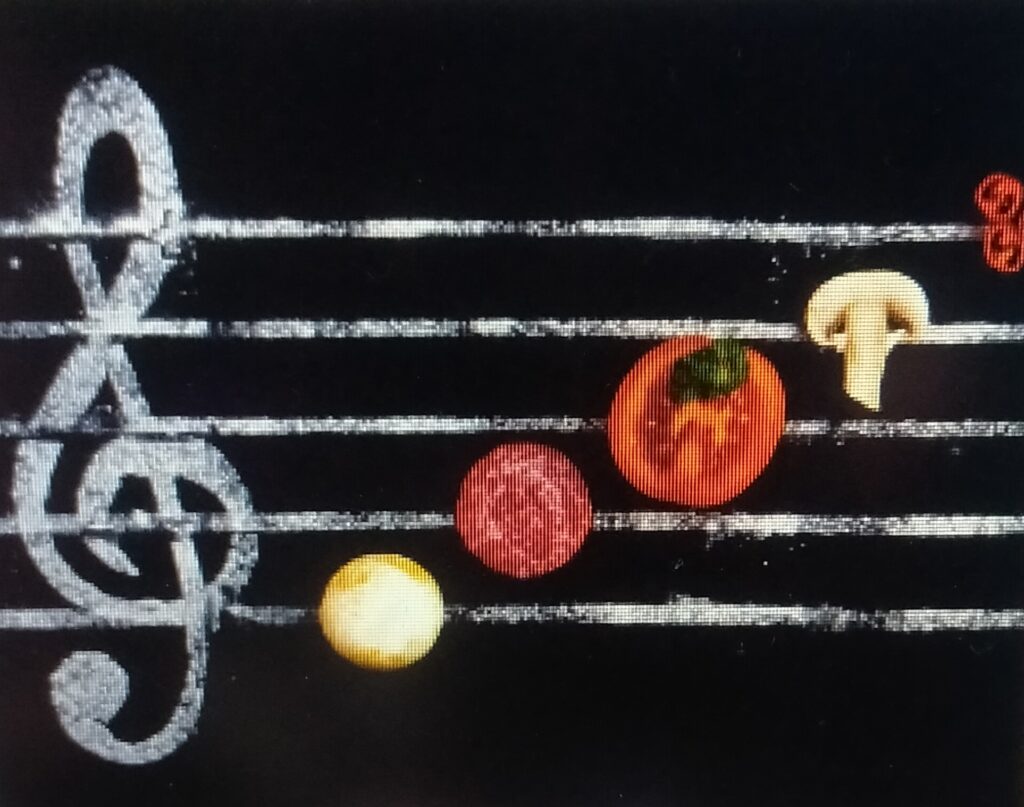
More Than Just Mood Lifters
You’ve had a bad day. You’re exhausted, on edge, and just one WhatsApp message away from snapping. Then, without planning it, you do two things: play your favorite song and reach for that comforting bite of your favorite snack. Within minutes, you’re calmer. Your shoulders drop. Your breathing slows. Somehow, the world feels softer.
That isn’t magic. That’s the profound, fascinating link between music, food, and the mind.
We often treat music and food as entertainment or indulgence. But what if they are also powerful tools for emotional regulation, memory, healing, and even mental clarity? What if your brain, stomach, and playlist are having conversations you never noticed?
Let’s break it down.
1. The Science Behind the Connection
Our brains are wired to respond to both music and food in ways that impact mood, memory, and mental state.
- Dopamine Release: Both music and delicious food trigger the release of dopamine, the brain’s “feel good” chemical. This makes you feel rewarded, happy, and safe.
- Cortisol Reduction: Music, especially slow or instrumental tracks, helps lower cortisol levels, reducing stress. Certain foods (like dark chocolate, omega-3 rich items, and even carbs) have a similar effect.
- Neuroplasticity: Music and mindful eating both influence how neurons form and reconnect, especially in areas of memory and emotional regulation.
- Sensory Stimulation: Both engage multiple senses. You taste and smell food. You hear and even feel music. The brain processes this multisensory input to create emotional experiences.
2. Music and Food as Memory Markers
Ever heard a song that instantly took you back to your teenage years? Or smelled something being cooked that reminded you of your grandmother’s kitchen?
That’s no coincidence. The hippocampus, the part of the brain responsible for memory, gets activated by both sound and smell. This is why your brain emotionally bookmarks certain meals and melodies.
Pairing the Two:
- That one heartbreak playlist? You probably remember what you ate during those crying-on-the-bed nights.
- Your wedding song? You might also remember what was served at the reception.
- Street food in college? Tastes better when you hear the sounds of that chaotic, happy city.
These aren’t just recollections. They’re emotional imprints that music and food leave on your mind.
3. Regulating Mood Through Rhythm and Recipes
Not all sadness needs therapy. Sometimes, it just needs a slow instrumental track and a bowl of hot dal-chawal.
Anxiety Days? Try lo-fi beats + warm soup.
Lethargic Days? Pump up with 90s Bollywood or hip-hop + a spicy snack.
Overthinking Days? Classical music + something bland but grounding like plain rice or bananas.
Your nervous system reacts to both sound frequencies and digestion patterns. So when you choose music and food consciously, you’re creating a mini self-healing ritual.
4. The Cultural Connection
In almost every culture:
- Festivals have food + music
- Weddings have music + food rituals
- Funerals often involve hymns + symbolic meals
Why? Because humans grieve and celebrate through sound and taste.
Even lullabies sung by mothers while breastfeeding are a soft version of this triple connection: nourishment (milk), safety (song), and bonding (touch).
Across the globe, sound and food are coded into rituals of healing, love, and expression.
5. Healing Trauma Through Both
Modern therapy now uses:
- Music therapy: To process grief, trauma, and emotional regulation.
- Mindful eating therapy: For eating disorders, anxiety, and body image issues.
The idea is to make people more aware of how they feel in their body, moment-to-moment. Playing calming music while eating slowly? That’s not being dramatic. That’s being in sync with your nervous system.
Sometimes, people recovering from trauma report that:
- They cry while listening to a song they hadn’t heard in years.
- They feel deeply moved when tasting a dish from childhood.
Why? Because both music and food help unlock emotional memories that words can’t reach.
6. Daily Practices to Reconnect Music, Food, and Mind
Want to use this powerful trio for your own mental wellness? Start small:
Morning
- Begin your day with soft instrumental music while you make breakfast.
- Try slow chewing while listening to gentle beats.
Afternoon
- Use energetic playlists to stay focused while cooking or prepping meals.
- Eat lunch with calming background sounds instead of social media noise.
Evening
- Prepare one meal a week inspired by your childhood. Play music from that phase too.
- Create a ‘comfort combo’: a playlist + dish that resets you on rough days.
You can even create themed days like:
- “Pasta & Piano Tuesday”
- “Masala & Mehfil Sunday”
- “Lo-fi Lunch Fridays”
Sounds silly? Maybe. But it makes everyday life more mindful, more emotional, more you.
7. The Emotional Playlist of the Body
Your body has a playlist. And a kitchen memory. You just forgot how to listen.
It remembers:
- The warm milk your dadi made when you were sick
- The song that played the night your heart broke
- The biryani that made you believe in love again
- The background music in a café where you felt at peace alone
These aren’t just experiences. They are emotional blueprints.
Music and food don’t just feed you. They reconnect you to yourself.
Start Noticing. Start Feeling.
Next time you feel off—before reaching for your phone or distracting yourself—try this:
- Play a song you feel, not just one you like.
- Eat something warm, slow, and simple.
- Sit with it. Let your mind wander. Let memories come.
You might cry. You might laugh. You might just breathe a little easier.
Whatever it is… your mind, body, and soul will thank you.
Because when food and music come together consciously, you don’t just feed your body.
You heal your spirit.