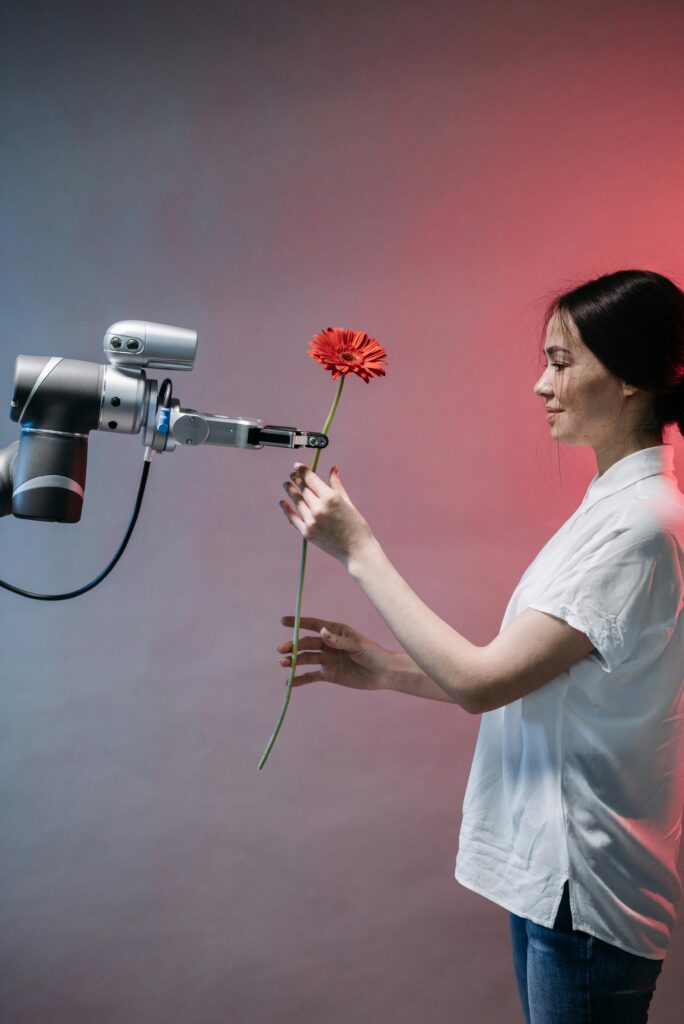
In a world buzzing with smart assistants, virtual therapists, and wellness wearables, one thing is becoming increasingly clear: artificial intelligence is no longer just a tech marvel—it’s becoming a mental health companion. Once confined to the realms of productivity and automation, AI is now weaving itself into the deeply human terrain of emotion, introspection, and healing.
And guess what? It’s doing more than just tracking your steps or reminding you to breathe. In 2025, AI is personalizing self-care, amplifying emotional awareness, and even helping reduce the stigma around mental health—one algorithm at a time.
Let’s explore how AI is reshaping the mental wellness landscape in our everyday lives—and why this fusion is one of the most important wellness conversations of our time. 💬
🌱 The Emotional Crisis of the Modern World
Despite increased awareness, mental health issues are surging. Anxiety, burnout, depression, and loneliness have all reached all-time highs. The reasons? Overexposure to screens, hustle culture, social isolation, climate anxiety, and of course, the endless pressure to “keep up.”
But with long wait times for therapy, rising costs, and lack of access—especially in rural areas or underserved communities—people are turning to a new kind of helper: AI-powered mental wellness tools.
> “When it’s 2 AM and your thoughts are racing, your AI companion won’t sleep on you.”
🧘♀️ From Generalized to Personalized: Self-Care Gets Smart
Traditional wellness advice often feels like a one-size-fits-all T-shirt. Meditate for 10 minutes. Journal every morning. Drink herbal tea. Great in theory, but not always aligned with your specific mood, routine, or neurotype.
That’s where AI tools excel—by reading your patterns and responding with tailored solutions.
Examples from 2025:
MindAI: Syncs with your calendar, sleep cycle, and voice mood detection to offer “emotional forecasts” for the day.
Wysa & Woebot: Conversational AI therapists that use CBT (Cognitive Behavioral Therapy) techniques to help you reframe thoughts.
Youper: An app that identifies triggers, tracks mood cycles, and gives bite-sized therapeutic suggestions.
Over time, these tools learn from your behavior and suggest routines, meditations, affirmations, or cognitive nudges that match your emotional DNA. 🧬
💬 The Rise of Emotional AI Companions
Think Siri—but empathetic.
Think Alexa—but emotionally intelligent.
Think chatbot—but one who remembers your heartaches.
AI companions like Replika, Pi, and new 2025 models are designed not just to talk with you, but to listen to you.
They detect changes in tone, language, and emotional nuance.
They help with daily venting, relationship reflection, and even self-compassion reminders.
They offer non-judgmental, 24/7 companionship, especially helpful for people navigating loneliness, grief, or trauma.
> “For someone who can’t afford therapy, or fears being misunderstood, a digital friend can feel like a safe first step.”
But let’s be clear: these AI companions are not substitutes for human connection. They’re bridges, not destinations.
📊 From Mood Logs to Mental Maps
Remember old-school mood tracking journals?
Now imagine AI-enhanced logs that translate your words, emojis, voice, and behaviors into patterns and predictions.
New-age tools include:
Daylio AI: Learns which activities drain or uplift your mood and nudges you accordingly.
AuraMind: Syncs with your wearable and uses heart rate, skin temperature, and voice stress markers to suggest moments of mindfulness.
NeuralFlow: A new tool in 2025 that uses brainwave feedback to detect emotional dysregulation and coach calming techniques in real-time. ⚡
This kind of data doesn’t just tell you how you feel—it helps you understand why. And that’s half the battle in emotional healing.
🌍 Accessibility & Inclusivity: AI Reaches the Unreachable
Therapy is still inaccessible to millions globally—either due to stigma, location, language, or cost.
But now? A rural teenager with a basic smartphone can access AI-powered wellness chats in their regional language. An autistic adult who finds face-to-face sessions overwhelming can opt for AI therapy alternatives. A survivor who isn’t ready to speak aloud can begin their healing journey through text-based interactions.
AI is breaking the emotional silence by making support more accessible, private, and non-intimidating.
> “For those who’ve been too scared to speak, AI offers a safe space to type.”
🧠 The Hybrid Model: AI + Human Therapists = The Dream Team
AI doesn’t aim to replace therapists. Instead, it’s becoming an invaluable co-pilot.
In 2025, many therapists now:
Use AI tools to track client mood between sessions
Employ automated journal review for insight extraction
Let clients chat with AI bots for daily check-ins and thought reframing
This allows therapists to get real-time emotional snapshots and focus on deeper healing during live sessions.
🔐 But… Is AI Emotionally Safe?
Let’s address the elephant in the room: Can AI truly understand emotions? And even more crucially: Can it keep your emotional data safe? 😶🌫️
While the empathy simulation is growing smarter, critics argue:
AI can misread or oversimplify complex trauma.
Emotional nuance often needs human warmth and instinct.
Privacy concerns are real—especially when apps store sensitive data.
Tips to protect your mental health while using AI:
Choose platforms with end-to-end encryption and transparent privacy policies. 🔒
Use AI as a complement, not a replacement.
Check if the app offers human escalation support (i.e., can connect you to real therapists).
Remember: AI is a tool. Not your identity, not your soul.
🌠 What the Future Holds: The 2025+ Horizon
The AI-mental health fusion is only just beginning. Here’s what’s next:
🌿 Emotionally Adaptive Smart Homes
Your home senses your stress and adjusts lighting, sound, and aroma to calm you.
⌚ Wearable Emotional Regulators
Smart rings or bracelets that gently vibrate when your anxiety spikes, coaching you to breathe or ground yourself.
🧩 Emotion-Aware Virtual Reality
VR spaces that offer safe, healing environments—beaches, forests, or childhood memories—for trauma processing.
🧬 AI & Epigenetics
Future AI could analyze your mental health data and your genetic markers to build a truly holistic mental health blueprint.
💞 A Gentle Reminder
AI is powerful, promising, and full of potential. But the heart of healing still lies in:
The human need to be understood
The messiness of vulnerability
The power of honest emotion
Let AI be your guide, your mirror, your reminder—not your definition.
> “Healing is not something AI can do for you. But it can walk with you while you do the work.”
Final Thoughts 🌈
We’re entering a new era where our minds and machines are learning to coexist—not as enemies, but as collaborators. Mental health is no longer taboo. AI is no longer impersonal. And in this evolving relationship, we’re discovering a simple truth:
🫂 It’s okay to ask for help—even from an app.
Because in a world that often moves too fast, the tools that help us pause, breathe, reflect, and grow? They’re worth keeping close—whether they have a heartbeat or a processor.