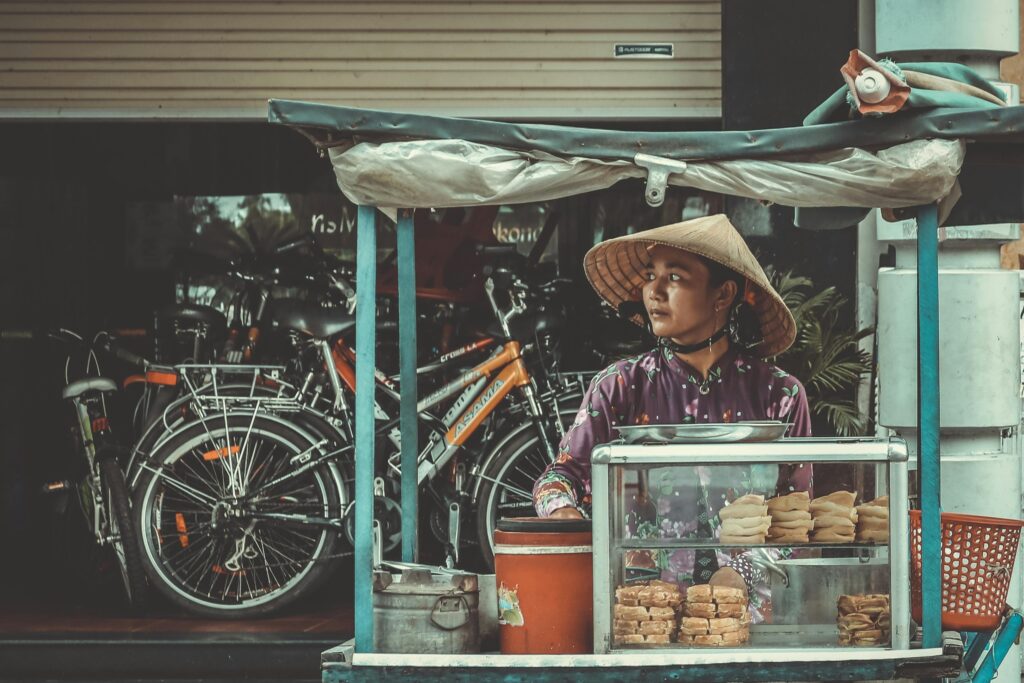
Walk through any street in India and you’ll be greeted by a kaleidoscope of colors—not just in the food itself, but in the stalls, carts, banners, umbrellas, and even the aprons worn by the vendors. This isn’t accidental. In a country where food is more than fuel—it’s emotion, identity, and performance—the use of color is both conscious and subconscious, functional and symbolic.
From fiery reds that spark appetite to yellows that suggest warmth and affordability, colors do more than decorate—they communicate. And nowhere is this more apparent than in the street food scene.
Let’s explore the fascinating psychology of color in Indian street food stalls, and why it plays a bigger role in your pani puri cravings than you might think.
- Red, Yellow, and Orange: Appetite’s Favorite Palette
If you look closely, you’ll notice a pattern: many Indian street food stalls are painted or draped in red, yellow, and orange. This is no coincidence. These colors are proven appetite stimulators in the field of color psychology.
Red increases heart rate and creates a sense of urgency, making it ideal for attracting hungry, fast-moving crowds.
Yellow is associated with optimism and affordability—subconsciously telling customers, “This food is tasty and budget-friendly.”
Orange blends the hunger-inducing power of red with the warmth of yellow, creating a feeling of excitement and sociability.
Brands like McDonald’s and Haldiram’s use these colors for similar reasons. But in India’s streets, it’s more organic. From red-and-yellow umbrellas shielding a golgappa vendor to orange signage advertising samosas, these tones dominate because they work—they grab attention, stir hunger, and invite impulse purchases.
You may think you stopped at that chaat stall on instinct, but chances are, the warm colors pulled you in before your taste buds did.
- Cultural Symbolism: Colors That Speak the Indian Language
In India, colors aren’t just aesthetic—they’re deeply symbolic. The psychology of color here is steeped in centuries of cultural, religious, and regional meaning. Street vendors instinctively or intentionally play into this when designing their stalls.
Saffron (Kesari): Associated with purity, spirituality, and sacrifice, saffron is often used in stalls selling traditional or religiously influenced snacks like kachoris or mithai near temples.
Green: In a diverse country with religious sensitivities around food, green often signals vegetarian or halal-friendly food. A green-colored food cart in a mixed community can communicate inclusivity and safety.
White: Rarely the dominant color in stalls, but when used, it’s often to signal hygiene or purity—especially in stalls selling milk-based items like lassi, kulfi, or peda.
The choice of color isn’t always a branding strategy; sometimes it’s inherited, passed down, or simply chosen from available materials. But its impact remains powerful—it creates immediate emotional associations aligned with India’s complex cultural language.
- Regional Color Trends: From Chennai’s Bright Blues to Kolkata’s Earthy Hues
Color preferences also shift across India’s vast geography, influenced by climate, local materials, and regional design aesthetics.
In Chennai and other South Indian cities, bright blues and greens are common in street stalls. These cooler tones are not only soothing in the tropical heat but also contrast well against the earthy tones of dosas, idlis, and sambhar. Blue is also seen as trustworthy and calming—ideal in bustling environments.
In Kolkata, earthy tones like maroon, mustard, and deep green dominate many phuchka (pani puri) stalls. There’s a nostalgic charm to these colors, matching the colonial-era visual palette of the city. It gives the food a heritage feel—even if it’s just served on a street corner.
In Delhi and northern cities, you’ll find a lot of red and yellow combos, which complement the bold flavors of tikkis, chaats, and kebabs. These cities thrive on high energy, and the colors reflect that intensity.
Each region has a visual language that reflects its climate, culture, and culinary identity. The colors aren’t just about visibility—they’re about belonging.
- Color as a Cue for Cleanliness, Freshness, and Trust
Street food is delicious—but let’s be honest, hygiene is always a concern. That’s where color can play a subtle psychological role in making us feel safer about what we’re eating.
Bright, clean signage and fresh paint give a sense that the vendor cares about quality—even before you see the food.
Cool tones like white, pale blue, or mint green are often associated with cleanliness and are used (consciously or not) in stalls selling dairy items, juices, or foods where freshness is a priority.
Faded, dirty, or overly dark color schemes can subconsciously make customers hesitant, even if the food tastes amazing. The perception of hygiene starts visually.
Some vendors also add colorful decorations—string lights, fabric canopies, even artificial flowers—not just for festivity, but to signal effort and care. These small touches build trust. If a stall looks thoughtfully presented, we assume the food will be treated the same way.
This is especially important in crowded areas where multiple vendors sell similar items. Sometimes, it’s not the smell or even the menu that draws us in—it’s which stall feels safer. Color plays a big part in creating that comfort.
Final Thoughts: A Feast for the Eyes Before the Stomach
Street food in India is never just about food. It’s a performance, a ritual, and an explosion of senses—sound, smell, taste, and sight. The colors of stalls, carts, banners, and plates are as much a part of the experience as the flavors themselves.
Whether it’s the bright red of a tikki stall, the saffron cloth fluttering over a mithai cart, or the calming blue of a dosa vendor by the beach, color influences how we perceive, trust, and remember our food. Even before that first bite, we’re already making emotional and psychological judgments based on what we see.
In a country where food is life, and life is color, it’s no surprise that the streets serve both with unfiltered vibrancy. So the next time you stop at a street stall, take a second to look—not just at the menu, but at the colors around you. You might be surprised by what your mind is already digesting.