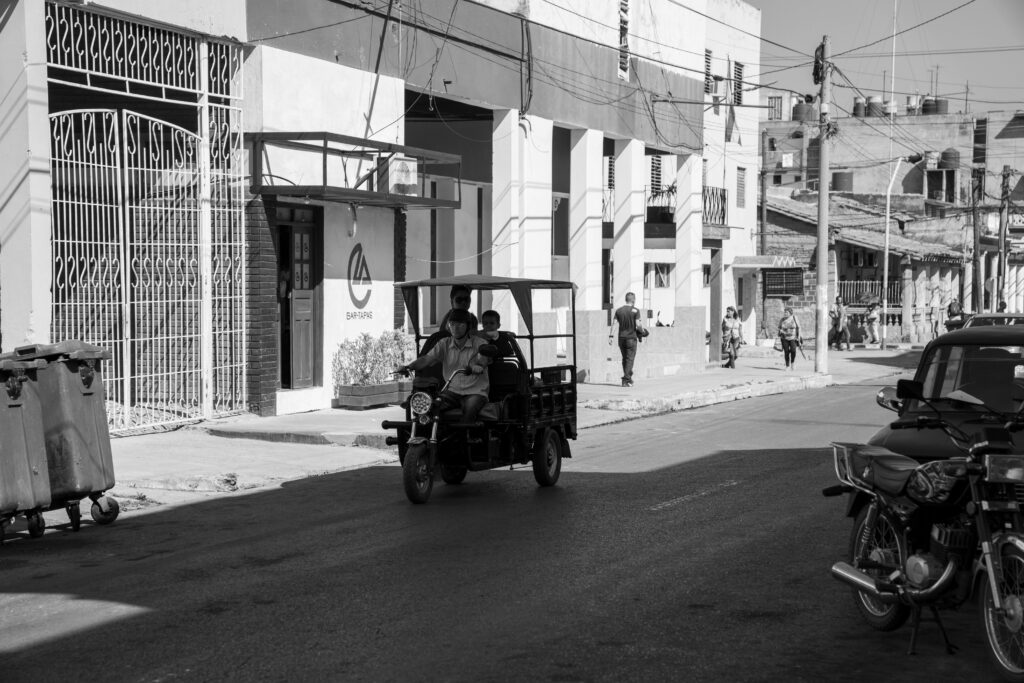
On a muggy Thursday afternoon in Delhi, I hopped into a beat-up auto-rickshaw, expecting nothing more than a ride across town. What I got instead was a crash course in business—real, raw, and unfiltered. No textbooks. No jargon. Just an everyday entrepreneur on three wheels, unknowingly dropping wisdom that would rival any business school lecture.
Sometimes, the best business lessons don’t come from boardrooms or books. They come from the streets. Here’s how a 25-minute rickshaw ride taught me more about business than my MBA ever did.
- Customer Experience Is Everything (Even in a Three-Wheeler)
The first thing I noticed was how clean the rickshaw was. Not spotless, but cared for. The seat had a cloth cover, there was a small fan clipped to the frame, and a laminated sign on the backrest read: “Water available, no extra charge.” I was stunned.
“Is this your idea?” I asked.
The driver grinned. “If you’re comfortable, you’ll remember me next time.”
That’s when it hit me: he wasn’t just giving me a ride—he was curating an experience. And that’s what any great business does. In a world of infinite choices, experience becomes the differentiator.
MBA programs teach customer-centricity in abstract terms. This guy lived it every day. He understood that loyalty doesn’t come from just showing up—it comes from exceeding expectations, no matter how basic the service.
Lesson: People won’t always remember what you did, but they’ll remember how you made them feel—especially when it’s 38°C and they find cold water in your rickshaw.
- Adapt or Stay Empty: Agility Over Strategy
As we wove through traffic, I asked him how he chose his routes.
“I don’t,” he said. “I follow the people.”
He explained how he checks Google Maps (yes, he had a smartphone mounted) to see where the crowds are—markets, train stations, schools. He doesn’t wait for customers to find him; he goes where the demand is, even if it changes daily.
No long-term planning. Just real-time response.
That’s when I realized: agility beats rigid strategy. In business, too many of us are obsessed with five-year plans. But the world doesn’t care about your spreadsheet—it changes faster than your projections do.
This driver adjusted his route, pitch, and pricing based on what was happening right now. He stayed relevant not by planning, but by listening and moving.
Lesson: Success belongs to those who can shift gears without stalling.
- Know Your Margins—But Lead with Trust
At a red light, I asked how much he makes on an average day.
He smiled. “I earn enough to send my daughter to school and feed my family. After that, I don’t push too hard.”
He wasn’t being evasive—just content. He explained how he offers fair prices and doesn’t haggle much. “People come back to me because I don’t cheat them. That’s worth more than 20 extra rupees.”
There it was: pricing rooted in trust.
In business, we often chase profit margins at the cost of relationships. But sustainable business isn’t about maximizing every transaction—it’s about building long-term goodwill.
This rickshaw driver knew his costs: fuel, maintenance, downtime. But he also knew his value—and that integrity travels far, especially in word-of-mouth-driven markets.
Lesson: Know your numbers, but never forget—trust is the most undervalued currency in business.
- Branding Isn’t Just for Corporates—It’s Personal
Just before I got off, I noticed a sticker on the back of his rickshaw: his name, a mobile number, and a hand-drawn image of folded hands with the words “Dhanyavaad” (thank you) underneath.
I asked about it.
He said, “Sometimes tourists don’t speak Hindi. But everyone understands gratitude. They take photos and sometimes call me when they return next year.”
That’s branding—emotional connection wrapped in identity.
He turned his rickshaw into a business card. A rolling expression of who he is and what he stands for. There was no fancy logo, no agency behind it. Just authenticity.
It reminded me that branding isn’t about your color palette or tagline. It’s about consistency, identity, and emotion. And if a rickshaw driver can build a brand from a sticker and a smile, what excuse do the rest of us have?
Lesson: Your brand is what people say about you when you’re not around—so give them something meaningful to remember.
Final Thoughts: The MBA of the Streets
I got out of that rickshaw feeling lighter—not just because the breeze finally hit me, but because I had been reminded of something important:
Business isn’t just a science. It’s a human act. And sometimes the best teachers are the ones not trying to teach you anything.
That 25-minute ride taught me:
Prioritize customer experience over convenience
Stay agile and listen to what the market is actually saying
Build trust instead of squeezing every transaction
Let your work reflect who you are—because that’s your brand
MBA classrooms are great. But the street? The street teaches you humility, hustle, and heart.
So the next time you step into a rickshaw, don’t just look at your phone. Look around. Ask a question. You might just get a business lesson that no textbook could ever deliver.